

Gold bonus or gold bandage?
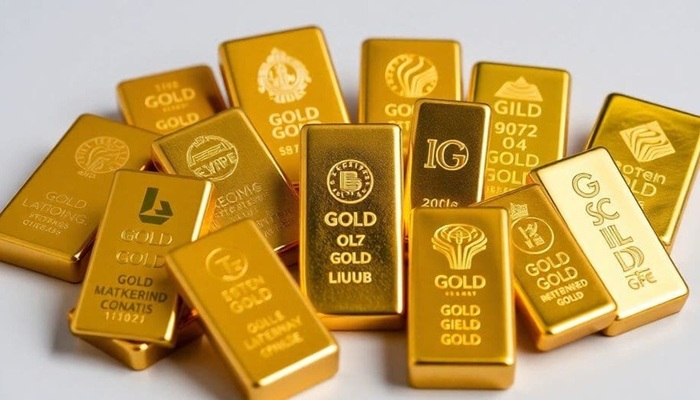
The Ghana Gold Board’s decision to offer a GHS832 bonus per pound to licensed miners is not just a market tweak. It is a statement. A statement that says the state is finally listening to the cries of those who have kept Ghana’s gold sector afloat through legal channels, even as profit margins shrink and smuggling thrives.
But let us not dress this up as a silver bullet. It is a temporary fix to a long-standing problem, and while it may offer short-term relief, it raises deeper questions about sustainability, enforcement and the structural integrity of Ghana’s gold trade.
The bonus scheme, on paper, is clever. By boosting the payout from GHS8,868 to GHS9,700, GoldBod is giving licensed miners a reason to stay loyal to official trade routes.
That is a win for transparency, a win for foreign exchange reserves, and a potential blow to the shadowy networks that siphon gold out of the country. But is it enough?
Miners have been squeezed by the strengthening cedi, which has eroded the local value of gold. The bonus is meant to cushion that blow.
Yet cushioning implies softness, and the reality is anything but. Market volatility, rising operational costs and inconsistent enforcement have left many miners teetering.
A one-off bonus, however generous, cannot replace a robust pricing framework or long-term policy reform.
More importantly, will this scheme truly discourage smuggling? That depends on execution. If payments are delayed, if traders fail to honour the bonus, or if loopholes remain in enforcement, the incentive to bypass official channels will persist. Smuggling is not just a financial decision. It is a trust issue. And trust, once broken, is hard to rebuild.
There is also the question of fiscal sustainability. Can the government afford to maintain this bonus if global prices dip further or if the cedi continues to strengthen? If the scheme is pulled prematurely, miners may feel betrayed, and the informal market will be waiting with open arms.
To be fair, GoldBod deserves credit for acting. Too often, miners are treated as peripheral players in Ghana’s economic narrative, despite their central role in foreign exchange earnings.
This bonus is a nod to their importance. But it must be followed by deeper reforms: better pricing mechanisms, stronger border controls and a renewed commitment to formalisation.
In the end, the bonus may be a bandage. Even a bandage can stop the bleeding. What matters now is whether Ghana uses this moment to build a more resilient, transparent and equitable gold sector. The miners have done their part. It is time for the system to do the same.



