

Why are tomato prices still rising?
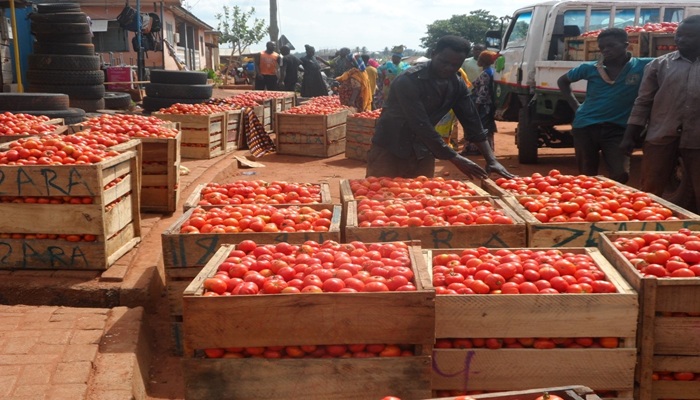
Tomatoes are more than just a kitchen staple in Ghana. They are the heartbeat of our cuisine. From jollof and garden egg stew to shito and light soup, tomatoes are found in almost every Ghanaian dish. It is no surprise, then, that any sharp rise in their price sends shockwaves through homes across the country, especially in Accra.
Right now, at Kasoa and Agbogbloshie markets, a small basket of tomatoes is selling for between GHS220 and GHS250. This time last year, that same basket cost just GHS120 to GHS150. What makes this hike even more troubling is that it comes during a reported bumper harvest season.
Farmers in the Northern and Bono East regions say they are selling a crate of tomatoes for just GHS120, down from GHS200 last season. But by the time those tomatoes reach Accra, the price has more than doubled.
The reasons are clear. High transport costs, poor roads, weak market systems and the absence of cold storage mean that tomatoes spoil before they even reach market stalls. Traders pass these losses on to consumers. The result is a tomato price crisis that makes life harder for the average Ghanaian household.
For many families, tomatoes are now becoming a luxury. A simple stew or soup costs nearly twice what it used to. Some homes are forced to change their diets. Others reduce the quantity they buy or skip certain dishes altogether. This is not just a matter of preference, it affects nutrition, quality of life and household stability.
Traders are also suffering. Sales are down. Consumers are buying less. Stock is rotting faster than it can be sold. Farmers, despite growing more, are earning less and watching helplessly as middlemen and transporters take the largest share of the value chain.
This is a national problem. It is not just about food. It is about livelihoods, inflation, logistics and agricultural planning. The government must act quickly.
First, investment in cold chain infrastructure is crucial. Small-scale cold storage units at production centres and mobile cooling trucks can preserve tomatoes longer and reduce post-harvest losses. This should be a top priority in future budget planning.
Second, affordable transport for agricultural produce must be addressed. Whether through targeted subsidies or cooperative schemes for farmers, moving goods efficiently from farm to market is the only way to reduce waste and cost.
Third, better data is needed. Farmers and traders need real-time information about prices and demand in different regions. With technology, the tomato supply chain can be digitised to improve coordination and reduce middlemen exploitation.
Tomato prices should fall during a bumper harvest, not rise. Until Ghana fixes the broken system between farm and table, our ‘red gold’ will continue to punish the very people who need it most. The time to act is now.



