Beggars return to Accra streets
By: Rebecca Okine
Barely months after the Ghana Immigration Service (GIS) carried out a deportation exercise to rid Accra’s streets of undocumented beggars, the individuals have returned in large numbers, sparking concerns about border control and enforcement.
Earlier this year, the GIS rounded up dozens of undocumented immigrants, many of them foreign nationals and repatriated them in what was hailed as a bold step to restore order in the capital.
The move was praised by city authorities and commuters who hoped it would ease congestion and improve public safety.
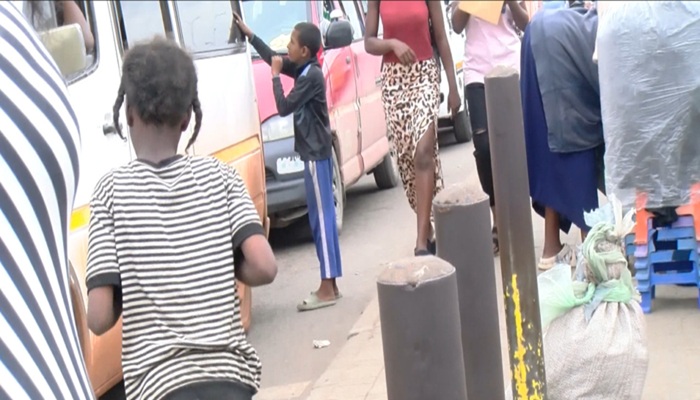
However, a recent survey has revealed that the beggars, including men, women and young children, are once again occupying busy streets, pavements and underpasses.
Areas such as Obetsebi Lamptey Circle, Lapaz and 37 Station have seen a sharp return of the activity, with beggars openly soliciting money from drivers and pedestrians.
Many drivers say the return of the beggars undermines the GIS’s earlier efforts and reflects a deeper problem with Ghana’s border management.
“Some of these Niger nationals were sent back, but they are here again. It is a big inconvenience to both drivers and pedestrians,” one frustrated driver told the media, declining to be named.
The return of the beggars has reignited debate about the sustainability of one-off deportation exercises without comprehensive follow-up measures.
Security analysts argue that without tighter border controls and collaborative efforts with neighbouring countries, such exercises will only provide temporary relief.
Residents and commuters have meanwhile called on the government, city authorities and immigration officials to find a lasting solution.
They warn that beyond the inconvenience, the situation raises broader security and humanitarian concerns, especially with children being used for street begging.