GHIB CEO pushes value-added exports to unlock billions for Africa
By Praisebell Rosemond Larbi
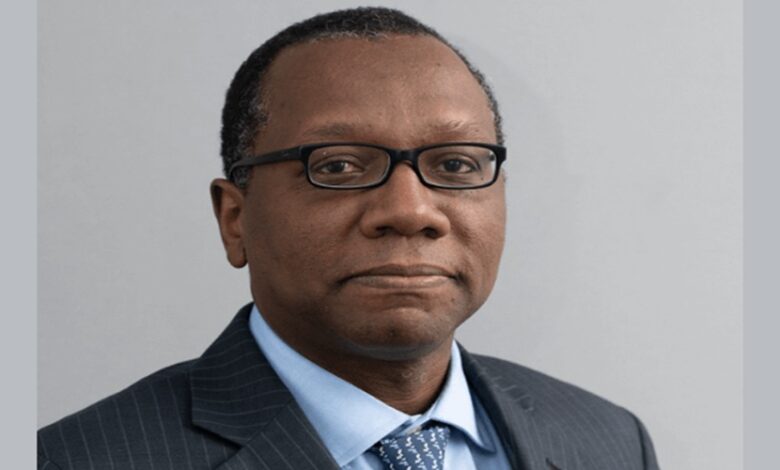
The Chief Executive Officer (CEO) of Ghana International Bank (GHIB), Dean Adansi, has outlined a targeted financing framework to shift Africa’s commodity exports away from raw shipments towards value-added products, warning that the continent’s current trade model is forfeiting billions of dollars in potential earnings.
Mr Adansi said Africa’s share of global trade remains below three percent, largely due to a persistent trade finance shortfall that prevents exporters from investing in local processing facilities.
“Interest rates in many African countries are significantly higher than in the West, making it extremely challenging for smaller firms with limited track records to secure the financing required to either export commodities or establish local industrial capacity,” he Adansi noted.
Speaking to the BBC during the GHIB CONVERGE 2025 conference in London, he pointed to deep-rooted causes such as shallow capital markets, costly working capital and insufficient regulatory and infrastructure support.
Mr Adansi emphasised that every USD1 of trade produces a USD1.70 GDP impact, meaning that closing sub-Saharan Africa’s USD80 billion trade finance gap could generate an additional USD133 billion annually.
“The consequences are far-reaching, in jobs, in government revenues, and in creating the domestic savings pools essential for stronger local capital markets,” he stressed.
Operating from London for 65 years, GHIB has been collaborating with West African banks to improve their credit standing with international lenders. This, he said, enables local institutions to finance SMEs and smaller exporters more effectively.
Over the past five years, GHIB has facilitated over USD14 billion in total trade flows, including USD10.6 billion in documentary collections and USD2.7 billion in primary trade finance transactions. In 2024 alone, downstream payments to West Africa topped USD8.5 billion.
Mr Adansi said processing requires more patient capital than standard commodity deals. “Conventional banking products are not designed for multi-year processing investments,” he explained.
The conference highlighted lost opportunities, including a USD10 million onion contract for Senegal that went to Europe, despite West Africa having the raw supply, because producers could not finance processing.
GHIB’s plan involves specialised tools such as pre-export financing linked to off-take agreements, inventory-backed loans and equipment leasing to cut upfront costs. Research shows that lifting Africa’s value-added exports from 14 to 25 percent could yield USD50 billion more each year and create millions of jobs.
Examples like Ghana’s cocoa processing gains and gold refining projects illustrate the potential. But progress, Mr Adansi warned, hinges on reliable power, efficient transport, skilled labour and reforms to tax and licensing regimes that currently favour unprocessed exports.
He cited AfCFTA as a chance to build regional processing hubs, with digital platforms and blockchain enhancing market access and traceability. Sustainability-linked finance, he added, could draw new investment while meeting global environmental standards.
“Our success must be measured not only in profits, but in jobs, industrial capacity and the livelihoods transformed when processing stays on African soil,” Mr Adansi added.