Businesses call for lower lending rates, tax cuts ahead of 2026 budget
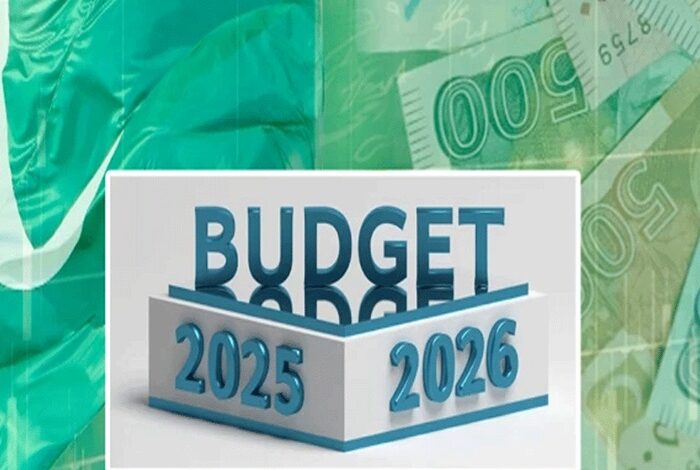
The business community is preparing to submit its expectations for the 2026 national budget, with a strong push for lower commercial lending rates, reduced taxes, and targeted incentives to support the government’s 24-hour economy policy.
The Ministry of Finance has set 29 August 2025 as the deadline for receiving proposals from stakeholders ahead of the 15 November budget presentation to Parliament.
In an official invitation, the Ministry urged business associations, professional bodies, financial institutions, civil society organisations, faith-based groups, and the general public to contribute to shaping the 2026 to 2029 Budget Statement and Economic Policy.
It noted that past stakeholder submissions have significantly influenced policy direction, citing examples of tax adjustments, sector-specific funding, and infrastructure prioritisation arising from such engagements.
Among the most vocal contributors is the Ghana Union of Traders Association (GUTA), which says it will advocate for further reductions in lending and tax rates to ease the high cost of doing business.
According to GUTA, while recent economic indicators suggest an improvement, with inflation and the Bank of Ghana’s policy rate both falling, commercial interest rates remain stubbornly high. This, it says, erodes business confidence and profitability.
“We’ve seen the policy rate dropping. We’ve seen inflation dropping. But we’re still not seeing this growth reflected in interest rates, which keeps the cost of doing business high. We propose that regulators set a clear margin between the policy rate and interest rates, say not more than 5 or 6 per cent. We also want to see port charges reviewed, as these make it difficult for businesses to comply with the tax regime,” said GUTA Public Relations Officer, Joseph Paddy.
Mr Paddy emphasised that the cost of credit continues to be one of the biggest challenges confronting businesses, especially small and medium-scale enterprises (SMEs) that rely heavily on bank loans for working capital.
He warned that without decisive action to bridge the gap between macroeconomic gains and the cost of finance, the much-anticipated rebound in the private sector could stall.
The Association of Ghana Industries (AGI) is also preparing to submit its proposals, with a focus on operational clarity for the government’s flagship 24-hour economy initiative.
The policy seeks to encourage businesses to operate around the clock to boost productivity, employment, and economic growth. It has been widely welcomed, although industry leaders insist that its success will depend on practical measures and incentives.
The Greater Accra Regional Chairman of AGI, Tsonam Akpeloo, said the association wants the budget to clearly spell out financing arrangements and business incentives under the programme.
“We would like to see details on financing and incentives for the 24-hour economy programme. Specific tax rebates, holidays, and financial support, including access to affordable financing,” he explained.
Mr Akpeloo also stressed the need for supporting infrastructure, including uninterrupted electricity supply, enhanced security, and efficient transport systems, to make around-the-clock business operations viable and profitable.
The Finance Ministry has indicated that it will review all inputs carefully, with the aim of producing a budget that supports sustainable growth, drives private sector competitiveness, and aligns with the medium-term development framework.
The 2026 Budget Statement and Economic Policy is expected to outline government priorities in revenue mobilisation, expenditure, infrastructure investment, and social protection.