Textile revival set to weave jobs
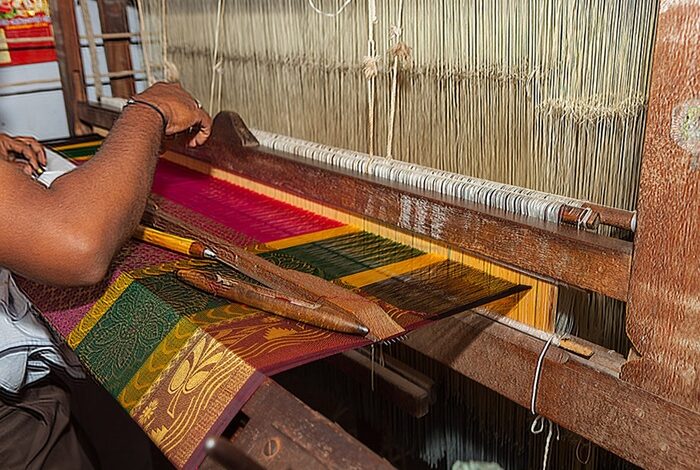
The textile and garment industry has long held a symbolic and economic significance in Ghana. From the vibrant kente cloth woven in Bonwire to the printed wax fabrics sold in bustling Accra markets, textiles are more than just commodities.
They are cultural expressions, livelihoods, and potential engines of industrial growth. The government’s recent unveiling of a strategic plan to transform the sector into a USD2 billion industry by 2033 is not just ambitious, it is essential.
Historically, Ghana’s textile industry was a cornerstone of post-independence industrialization. Factories like Ghana Textiles Printing (GTP) and Akosombo Textiles once employed thousands and supplied both domestic and regional markets.
However, decades of underinvestment, policy neglect, and the influx of cheap imports eroded the sector’s competitiveness. Today, the revival of this industry represents a chance to reclaim lost ground and chart a new path toward inclusive economic development.
The proposed policy framework, which aims to attract USD1.2 billion in new investments and create 150,000 jobs, is a bold step. It signals a shift from rhetoric to action. By linking cotton cultivation to industrial processing, the plan promises to create a value chain that benefits farmers, factory workers, designers, and retailers alike.
The commitment to cultivating cotton across 50,000 hectares of farmland is particularly noteworthy, as it could revitalize rural economies and reduce dependence on imported raw materials.
For individuals involved in the textile trade, this transformation could be life-changing. Tailors, seamstresses, fabric sellers, and fashion entrepreneurs stand to gain from increased demand, better access to quality materials, and expanded market opportunities.
With targeted training programs and investment in modern production technology, Ghana can build a skilled workforce capable of competing under the African Continental Free Trade Area (AfCFTA). This is not just about exporting fabric, it is about exporting Ghanaian identity.
However, the road ahead is not without challenges. The success of this initiative will depend on strong enforcement of anti-smuggling laws, consistent policy implementation, and a merit-based approach to recruitment and management.
As Minister Abdul-Rashid Pelpuo rightly pointed out, political favoritism and overstaffing must be avoided. Productivity and sustainability should be the guiding principles.
Moreover, the industry must be inclusive. Women and youth, who make up a significant portion of the informal textile sector, must be empowered through access to finance, training, and leadership opportunities. Their participation is not optional, it is vital to the sector’s resilience and innovation.
In the end, the textile industry is more than an economic sector. It is a tapestry woven with threads of history, culture, and aspiration. If Ghana can harness its full potential, the industry could become a flagship of industrial transformation, job creation, and national pride. The government’s plan is a stitch in time, and with collective effort, it could mend the fabric of Ghana’s economy for generations to come