Finance Ministry calls for public proposals on 2026–2029 Budget
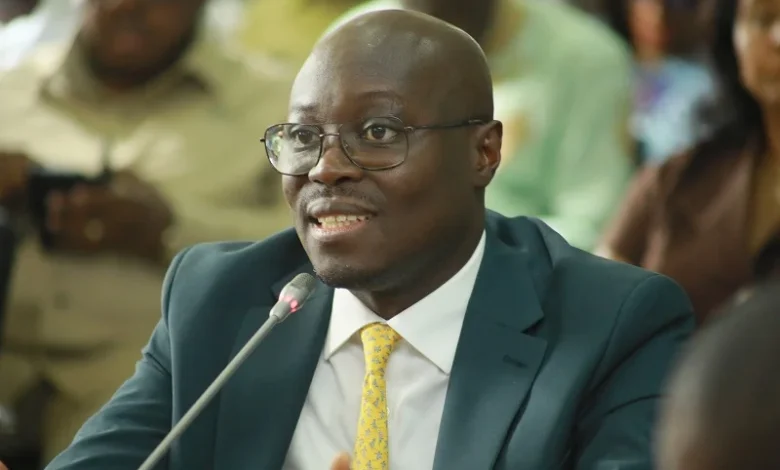
The Ministry of Finance (MoF) has opened its doors to a broad range of stakeholders, including business associations, professional bodies, financial institutions, civil society organizations, faith-based groups, and individual citizens, to submit ideas and proposals that will shape Ghana’s 2026 to 2029 Budget Statement and Economic Policy.
In a public notice issued this week, the Ministry said the initiative reflects the government’s commitment to participatory and inclusive economic planning.
It noted that input from the public has, over the years, played a pivotal role in influencing various provisions in past national budgets.
“This call is in line with the government’s responsiveness to the needs of the Ghanaian citizenry to deepen participation in the budget process as well as implement inclusive policies,” the Ministry stated.
The government aims to present the 2026 budget to Parliament by November 15, 2025, in line with statutory timelines. Public submissions, it added, will be integral to the policy formulation process, ensuring that budgetary priorities align with the needs and aspirations of citizens and economic actors.
How to Participate
The Ministry has invited written submissions to be sent electronically via bdru@mofep.gov.gh no later than the close of business on Friday, August 29, 2025. Submissions can include policy proposals, sector-specific recommendations, or broader economic strategies.
Officials say the review period will focus on shaping fiscal priorities for the next four years, covering areas such as revenue mobilization, expenditure management, debt sustainability, job creation, infrastructure investment, and social protection.
Why Public Participation Matters
Public participation in the budget process is seen as a way to promote transparency, accountability, and shared responsibility in national development. By opening the process to wider contributions, the Ministry seeks to tap into diverse perspectives from industry leaders to grassroots communities, ensuring that economic policy reflects both macroeconomic realities and the day-to-day needs of ordinary Ghanaians.
Economic analysts note that this approach is especially important in the context of Ghana’s current economic climate. After recent macroeconomic stabilization efforts and ongoing debt restructuring initiatives, the government is expected to balance fiscal discipline with the need to stimulate growth and protect vulnerable groups.
Past Contributions Have Made a Difference
The Ministry cited examples of how previous public inputs have shaped budgetary decisions, including targeted tax incentives for small businesses, expansion of agricultural support programs, and adjustments in social intervention policies. Stakeholders say such responsiveness builds trust and strengthens the social contract between government and citizens.
Looking Ahead
With the 2026 to 2029 budget cycle expected to guide Ghana through a crucial period of economic recovery and growth, the Ministry is urging stakeholders not to miss the opportunity to have their voices heard.
“This is the time for every Ghanaian, whether in the formal or informal sector, to contribute ideas that can help build a resilient, inclusive, and sustainable economy,” the notice emphasized.
Submissions, once reviewed, will be factored into the draft budget framework, which will then undergo Cabinet approval before being tabled before Parliament in November.