POS terminals up by 14%
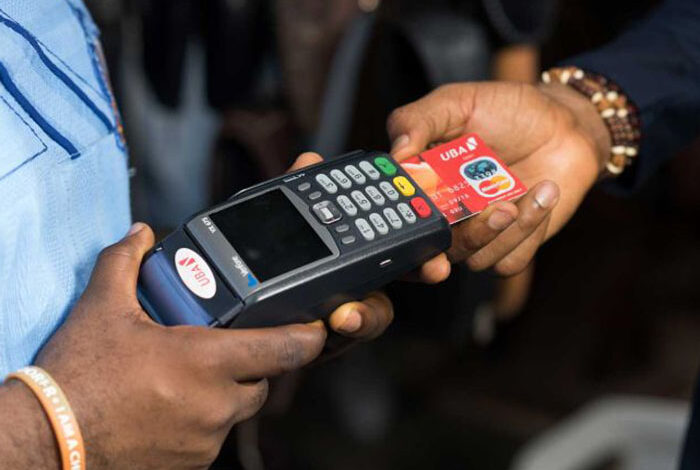
Ghana’s push toward a cash-lite economy is gaining momentum, with the number of Point of Sale (POS) terminals rising by more than 2,000 over the past year.
According to the Bank of Ghana’s latest Summary of Macroeconomic and Financial Data, the total number of deployed POS devices stood at 16,373 as of June 2025.
This is up from 14,370 in June 2024, marking a 14 percent year-over-year growth. The increase reflects concerted efforts by banks and payment service providers to expand digital transaction infrastructure.
POS terminals, which are electronic devices used to process card payments for goods and services, have become common features in Ghana’s retail and service sectors. Their growing presence in supermarkets, fuel stations, restaurants, pharmacies, and even rural shops is helping the country move away from cash-based transactions toward a more digital payment environment.
Deployment has not been without challenges. Central bank data shows a notable drop in February 2025 when the number of active POS terminals fell by 606, likely due to machine maintenance or replacement of outdated units. Momentum quickly recovered, with March 2025 recording the highest monthly growth of 757 new devices. Another 1,200 terminals were installed over the following three months.
This steady expansion signals growing investment from financial institutions, fintechs, and merchants eager to meet rising demand for electronic payments.
In contrast, the number of Automated Teller Machines (ATMs) has shown minimal change. The total ATM count dropped slightly from 2,277 in June 2024 to 2,266 in June 2025. This suggests a strategic shift by banks and payment firms toward merchant-level transaction points instead of traditional cash-dispensing machines.
For consumers, the growing POS network provides greater convenience. It reduces dependence on physical cash and minimizes frequent trips to ATMs.
The shift also aligns with national objectives to enhance financial inclusion, formalize transactions, and boost traceability across the economy.