13 banks meet recapitalisation targets
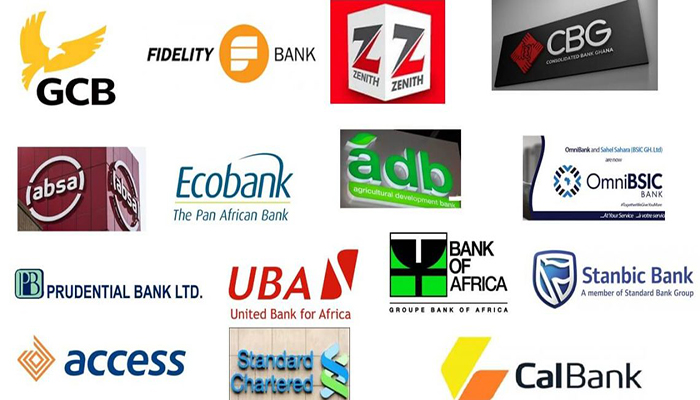
Thirteen banks in Ghana that had recorded capital shortfalls following the Domestic Debt Exchange Programme (DDEP) have now met or exceeded their recapitalisation requirements as of the end of 2024.
According to the IMF Country Report, these banks are on track to restore their Capital Adequacy Ratio (CAR) to 13 percent by the end of 2025.
Despite this progress, one state-owned bank and a few others remain materially behind schedule in meeting their recapitalisation targets.
The delays are attributed to factors such as slow shareholder capital commitments, high levels of non-performing loans (NPLs), and slow recognition of credit impairments and provisioning.
These banks are now under intensified supervision by the Bank of Ghana, with corrective measures being enforced to help them meet their recapitalisation targets by 2025.
Parliamentary approval and implementation of the World Bank-funded segment of the Ghana Financial Sector Stability Fund (GFSF) could provide support to some institutions, provided they secure adequate capital injections to qualify for assistance.
The report highlights continued efforts by Ghanaian authorities to address credit quality and financial sector legacy issues.
While growth in NPLs has slowed, the overall NPL ratio remains high at 22.6 percent as of 2024, down slightly from 26.7 percent in the first quarter.
To tackle the NPL burden, regulators are pushing banks to strengthen credit risk management systems, improve skills in loan classification and provisioning, and strictly monitor the performance of banks’ NPL reduction strategies.
Specialised deposit-taking institutions (SDIs), which are key to promoting financial inclusion, remain weighed down by undercapitalisation and unresolved legacy challenges. Critical aspects of the Ghana Financial Sector Strengthening Strategy (GFSSS) have yet to be implemented.
The Bank of Ghana is reviewing its prudential and operational risk standards and advancing the implementation of Basel II and III. The Bank has also formally communicated to the industry that all post-DDEP regulatory reliefs will cease by the end of 2025.
The progress made by thirteen banks in meeting their recapitalisation targets is a positive development amidst ongoing reforms in Ghana’s banking sector.
However, challenges persist, particularly regarding NPLs and the performance of some banks.
The Bank of Ghana’s intensified supervision and regulatory measures aim to ensure that banks meet their targets and strengthen the overall stability of the financial sector.