ADB Rolls Out 24 Hour Banking at Tema Port to Power Trade Efficiency
By Praisebell Rosemond Larbi
The Agricultural Development Bank (ADB) PLC has introduced round the clock banking services at the Ghana Ports and Harbors Authority (GPHA) in Tema, effective July 1, 2025.
The new service is designed to support the recently launched 24-hour port operations, offering importers, exporters, freight forwarders, and other stakeholders uninterrupted access to financial services, particularly the payment of GPHA handling charges.
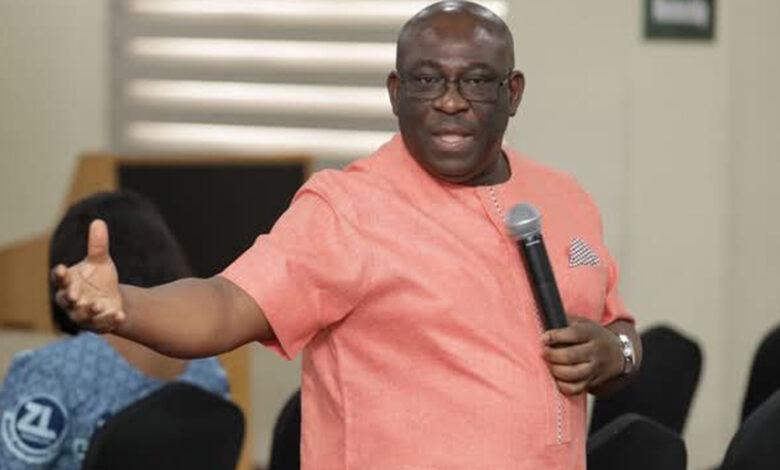
Speaking at the launch, Managing Director (MD) of ADB, Edward Ato Sarpong, stated that the initiative is ADB’s way of contributing meaningfully to the national 24-hour economy program aimed at job creation, export growth, and higher productivity through value addition.
“The 24-hour economy is not just about working round the clock it’s about creating added value and decent jobs through improved productivity,” Mr. Sarpong remarked.
He explained that the 24-hour banking service is specifically tailored to meet the needs of freight forwarders, customs clearing agents, shipping companies, and traders, many of whom operate beyond regular business hours to meet tight schedules within the supply chain.
“By providing 24 hour banking, ADB is ensuring that port stakeholders can access payment and transaction services at any time, keeping their operations running smoothly and efficiently,” he said.
This move is expected to significantly reduce delays in cargo clearance and improve turnaround times, further enhancing Ghana’s competitiveness in international trade.
Mr. Sarpong revealed that the bank has begun preparatory work to expand the 24 hour banking service to other key locations across the country, including border entry points and major business hubs, to stimulate economic activity beyond normal working hours.
He described the launch as a reflection of the bank’s broader vision to evolve beyond traditional financial services.
“This offering is anchored on ADB’s new tagline, ‘Beyond Banking…’ which signifies our commitment to delivering customer focused, innovative solutions across various sectors of the economy,” the ADB MD noted.
He urged all port users, particularly importers and exporters, to leverage the bank’s 24 hour services at the Tema Port for timely payment of handling charges to facilitate their logistics and business operations.
“We want our customers to know that they can rely on ADB not just during the day, but around the clock,” Mr. Sarpong added.
AfCFTA fund powers Telecel Ghana, Liberia with $10m to boost digital trade
The African Continental Free Trade Area (AfCFTA) Adjustment Fund has made its first investment, extending a USD10 million loan to Telecel Global Services Ltd to strengthen digital infrastructure in Ghana and Liberia.
This deal marks a significant milestone in advancing AfCFTA’s goal of fostering regional integration and trade through targeted financial support.
The investment, structured as a senior secured amortizing loan, was made through the Credit Fund, one of three pillars of the AfCFTA Adjustment Fund jointly established by the AfCFTA Secretariat and the African Export-Import Bank (Afreximbank).
The Credit Fund is designed to help African countries and private enterprises adjust to the commercial and structural reforms linked to the continental trade agreement, including tariff reductions and regulatory harmonization.
Telecel Global Services, a subsidiary of Mauritius-based Telecel Group, currently provides wholesale voice, SMS, and enterprise connectivity to over 250 telecom operators worldwide. The fresh capital injection will enable the company to scale its operations in Ghana and Liberia, upgrade critical infrastructure, and expand access to digital connectivity an increasingly vital component in boosting intra-African trade and competitiveness.
“The closing of our first deal marks a historic milestone for the Credit Fund and the broader vision of the AfCFTA. This USD10 million investment in Telecel Global Services is a clear demonstration of how targeted capital can drive meaningful impact, accelerating digital connectivity, enabling intra-African trade, and supporting private sector-led development in priority sectors. It is our commitment to ensure that such investments continue to bridge critical gaps, stimulate economic resilience, and unlock Africa’s vast potential,” said Jean-Louis Ekra, Chairman of the Board, AfCFTA Adjustment Fund Corporation.
The transaction reflects the Fund’s emphasis on digital infrastructure as a key driver of industrialization and trade facilitation, especially in markets underserved or constrained by outdated systems. The AfCFTA Secretariat has consistently highlighted digital connectivity as an essential enabler of its broader objectives.
“This transaction demonstrates how the AfCFTA Adjustment Fund is beginning to serve its intended purpose, supporting State Parties and the private sector as we work to make this Agreement commercially meaningful. By investing in digital infrastructure, we are addressing some of the most critical enablers of trade facilitation, industrialization, and regional value chain development,” noted H.E. Wamkele Mene, Secretary-General of the AfCFTA Secretariat.
Afreximbank, which manages the Adjustment Fund, described the deal as a critical step in supporting African firms to fully participate in the digital economy and benefit from the AfCFTA framework.
“Today, we make another bold statement of our unwavering intent to ensure that Africans reap the benefits of the African Continental Free Trade Agreement. We are proud to have commenced the operationalization of the Credit Fund.
“With this Fund, we will provide vital support to African corporates, helping them retool and expand their operations necessary to capitalize on the AfCFTA opportunities. The investment strengthens a critical enabler, the digital economy and regional connectivity, while reinforcing our long-term commitment to transforming the structure of the African economy,” said Prof. Benedict Oramah, President and Chairman of the Board of Directors, Afreximbank.
The Telecel deal is also the first under the Credit Fund’s management by the Fund for Export Development in Africa (FEDA), Afreximbank’s impact investment subsidiary. FEDA aims to channel strategic capital into sectors aligned with the continent’s industrialization and inclusive growth agenda.
“This investment exemplifies the strategic intent of the Credit Fund to catalyze growth and resilience in sectors that are vital for Africa’s structural transformation. We are proud to partner with Telecel, whose operations directly advance intra-African connectivity and digital trade,” said Marlene Ngoyi, CEO of FEDA.
The Fund’s investment strategy prioritizes commercially viable projects that reduce trade bottlenecks, support export growth, and bolster participation in regional value chains.
The Telecel investment is expected to be the first of several to follow in priority sectors such as information and communications technology, logistics, and transport, all considered critical to unlocking Africa’s economic potential.
IMF backs Ghana’s reforms to keep $3bn program on track
The International Monetary Fund (IMF) has commended President John Dramani Mahama’s government for taking bold and decisive corrective actions to keep Ghana’s Extended Credit Facility (ECF) program on course.
This follows the Executive Board’s completion of the fourth review under the USD3 billion ECF arrangement, a critical support mechanism designed to help Ghana stabilize its economy, rebuild macroeconomic buffers, and foster long‑term inclusive growth.
In a statement issued after the review, the IMF said Ghana’s corrective measures, combined with ongoing reforms and an improved external position, are expected to help the country achieve the program’s goals of economic stabilization, resilience building, and inclusive development.
“The authorities are strongly committed to restoring fiscal discipline and addressing the structural weaknesses that led to previous slippages,” the Fund noted.
According to the IMF, the government passed the 2025 national budget in line with the program’s objectives and enacted an enhanced fiscal responsibility framework aimed at correcting the imbalances that had threatened the program’s success.
Debt Sustainability Revenue Mobilization and Expenditure Control
The Fund emphasized that completing ongoing debt restructuring maintaining momentum on fiscal adjustment and enhancing domestic revenue mobilization remain central to achieving long‑term fiscal sustainability.
“This should be supported by continued efforts to streamline non priority expenditure while creating space for development priorities and social protection programs,” the IMF noted.
It also called for urgent improvements in tax administration stronger public expenditure controls and greater efficiency among state‑owned enterprises especially in the energy sector where arrears continue to pose significant fiscal risks.
Rebuilding Reserves and Taming Inflation
The IMF praised the Bank of Ghana for significant progress in rebuilding international reserves and implementing policies that are gradually reducing inflation which had spiked due to global shocks and domestic challenges.
“The Bank of Ghana should maintain an appropriately tight monetary stance until inflation returns to its target,” the Fund advised.
It also encouraged the central bank to scale back its intervention in the foreign exchange market and adopt a formal internal foreign exchange intervention policy to support greater exchange rate flexibility.
Strengthening the Financial Sector
On Ghana’s banking and financial sector the IMF acknowledged intensified efforts to address undercapitalized banks but noted that more work remains.
“Further strengthening of financial sector stability requires full implementation of the recapitalization plan for the National Investment Bank finalizing the reform strategy for state owned banks and developing contingency plans for banks that fail to recapitalize,” the Fund stressed.
It also urged the Bank of Ghana to step up crisis management efforts enhance financial sector safety nets and resolve legacy issues affecting specialized deposit taking institutions.
Looking Ahead
As Ghana enters a crucial phase in its ECF program the IMF stressed the need for continued political will and institutional discipline to carry out the reforms.
The Mahama administration’s actions were described as “bold and necessary” for resetting Ghana’s economic fundamentals and positioning the country for sustainable growth and macroeconomic stability.
The next review under the program will assess progress on debt sustainability tax reforms and financial sector stability all critical to long‑term development and inclusive prosperity.