GRA to begin implementation of postponed energy sector levies on July 16
By Praisebell Rosemond Larbi
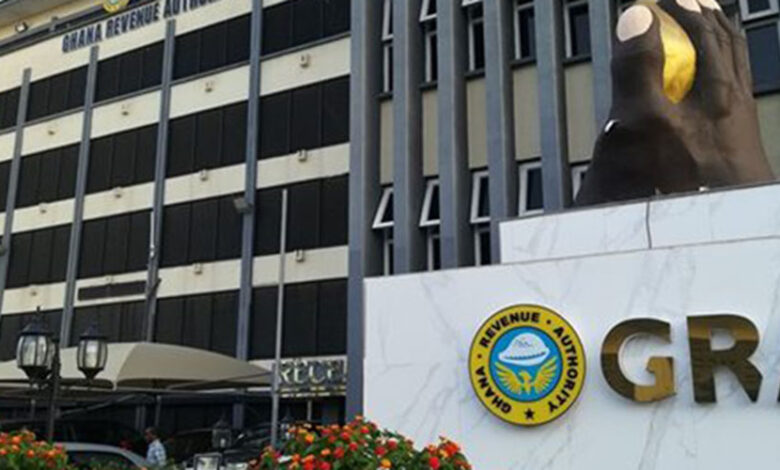
The Ghana Revenue Authority (GRA) has announced that the implementation of the revised Energy Sector Levies (Amendment) Act, 2025 (Act 1141) will take effect on Wednesday, July 16, 2025.
The new law introduces increased fuel levies aimed at boosting revenue to support Ghana’s struggling energy sector.
Under the revised law, levies on key petroleum products including petrol and diesel will rise by GHS1 per liter. The GRA stated that the changes, which were initially postponed to monitor global fuel price trends, will now proceed following consultations with the Ministry of Finance and the Ministry of Energy.
Authorities describe the move as a necessary step to ensure the financial sustainability of Ghana’s energy sector, particularly in the face of growing legacy debts and persistent revenue shortfalls.
According to Tax Information Circular No. 2025/004, the amendment primarily affects the Energy Sector Shortfall and Debt Repayment Levy (ESSDRL), one of the main components of Ghana’s broader Energy Sector Levies framework.
Revised ESSDRL Rates (per liter)
| HS Code | Product Description | Common Name | Old Rate (GHS) | New Rate (GHS) |
| 2710124000 | Motor spirit, super | Petrol (PMS) | 0.95 | 1.95 |
| 2710192100 | Gas oil | Diesel (AGO) | 0.93 | 1.93 |
| 2710192100 | Gas oil (local) | Marine Gas Oil (Local) | 0.03 | 0.23 |
| 2710192100 | Gas oil (foreign) | Marine Gas Oil (Foreign) | 0.93 | 1.93 |
| 2710192400 | Heavy fuel oil | Residual Fuel Oil (RFO) | 0.04 | Unchanged |
The levy increase is expected to generate substantial revenue to help settle outstanding liabilities in the energy sector, including debts owed to power producers and fuel suppliers. It will also provide funding for infrastructure development and system upgrades.
In its statement, the GRA urged all stakeholders in the petroleum downstream sector, including importers, oil marketing companies, and retail outlets to update their pricing structures and accounting systems to reflect the new rates before the implementation date.
Officials have assured the public that the government will continue to monitor the impact of the levy adjustments on consumers and the economy, and will maintain open dialogue with industry players to ensure smooth implementation. The Energy Sector Levies were first introduced in 2015 to address systemic financing challenges in the power sector. This latest revision marks one of the most significant rate increases since the law’s inception.