

Zebilla MP pushes for ‘Trees for Life’ program to combat food crisis in Northern Ghana
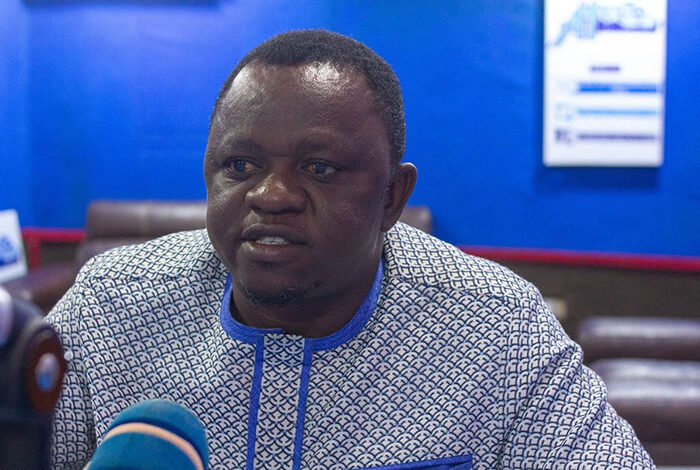
Ghana risks facing a major food crisis in its northern regions if urgent action is not taken to address the worsening impacts of desertification and climate change, Member of Parliament(MP) for Zebilla, Ebenezer Alumire Ndebilla, has warned.
Raising the alarm on the floor of Parliament this week, the MP stressed that environmental degradation in the northern ecological zone is rapidly undermining livelihoods and threatening national food security.
“This is of particular relevance to Ghana, and more specifically Northern Ghana, where desertification, erratic rainfall, and prolonged droughts are not just environmental challenges but daily realities threatening the livelihoods, food security, and very survival of our people,” he said.
According to Mr. Ndebilla, the northern savannah ecological zone, comprising the Upper East, Upper West, North East, Northern, and Savannah Regions—continues to suffer from rising temperatures, depleted soil nutrients, water scarcity, and rampant bushfires. These, he said, are worsened by climate change and unsustainable land practices.
“The consequences are real: low crop yields, food insecurity, increased migration, and worsening poverty,” stated.
He highlighted the urgent need for a national response and used the opportunity to call for the revival and upscaling of the Trees for Life afforestation initiative, which was launched under the John Dramani Mahama administration.
Mr. Ndebilla described the program as a strategic solution to tackle the dual threats of drought and desertification in the north.
“This bold afforestation program was not just a symbolic gesture but a strategic national response,” he noted, explaining that it involved the nationwide planting of indigenous and economic trees such as shea, dawadawa, mango, and cashew in degraded areas, particularly in the north.
He said the initiative was widely supported by local communities, faith-based groups, and schools, and helped reclaim forest cover, restore soil productivity, and create jobs through the Youth Employment Agency and the Forestry Commission.
However, Mr. Ndebilla lamented that many of the gains made through the program are now under threat.
“Deforestation and land degradation continue to threaten Northern Ghana. The annual loss of tree cover due to illegal logging, charcoal burning, bushfires, and unsustainable farming practices remains a grave threat that can reverse the progress we’ve made,” he emphasized.
Mr. Ndebilla also drew attention to shifting rainfall patterns that are disrupting the farming calendar and deepening food insecurity in the region.
To combat the crisis, the Zebilla MP called for the revival of the Trees for Life program as a long-term climate strategy, sustainable funding for afforestation activities in water-stressed areas, and increased public education on the importance of indigenous trees.
He also urged the promotion of agroforestry and climate-smart farming methods, as well as stronger collaboration with traditional leaders to enforce bylaws against bushfires and illegal logging.
“Our environment is changing before our eyes. If we don’t act now, we will be feeding a disaster we cannot control,” he warned.



