Fuel prices drop in OMC price war
By Praisebell Rosemond Larbi
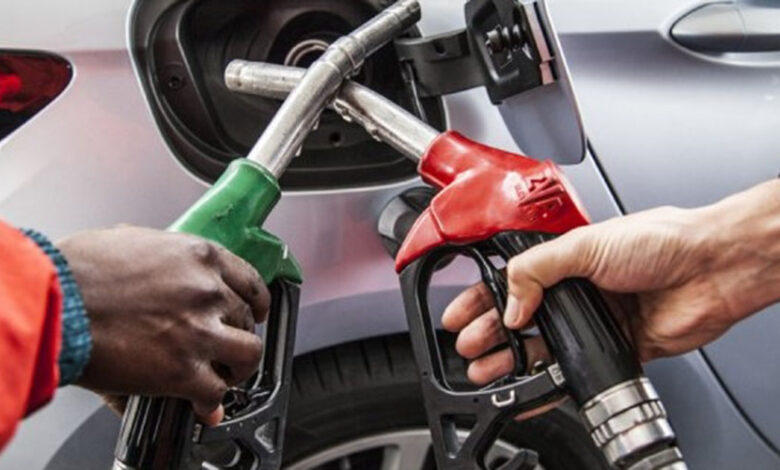
Fuel prices have dropped once again at stations across the country, marking the second reduction in a week, as fierce competition among Oil Marketing Companies (OMCs) triggers a price war at the pumps.
Several major petroleum retailers have announced fresh reductions in both petrol and diesel prices during the second pricing window of June 2025. The price cuts are seen as a direct outcome of the competitive forces unleashed by Ghana’s 2015 Petroleum Price Deregulation Policy, which was designed to promote efficiency and market-driven pricing in the downstream oil sector.
Star Oil, a key player in the retail market, has slashed the price of petrol from GHS10.99 to GHS10.80 per liter, while diesel now sells for GHS12.13, down from GHS12.77 per liter just a few days ago.
Allied Oil followed swiftly, reducing its petrol price to GHS10.75 per liter, down from GHS10.97. Zen Petroleum is also quoting GH₵10.75 for petrol, further intensifying the pricing pressure.
However, while petrol prices are dropping across the board, diesel prices have seen a slight uptick since June 16, particularly in some regions. The reasons for this divergence remain unclear, but industry insiders suggest it may be linked to supply constraints or shifting global inventory dynamics.
The 2015 deregulation policy removed government control over petroleum pricing, allowing market forces to dictate pump prices. Though the system has faced criticism, particularly during periods of high global oil prices, the recent reductions show how competition can work in favor of consumers.
Despite the current relief at the pump, experts caution that prices could begin rising again from July 1 if the ongoing Israel-Iran conflict further destabilizes global crude oil markets. Crude prices are already on an upward trajectory, with Brent crude trading at around USD76 per barrel, up from USD66 earlier in the month.
Analysts say a sustained increase in international prices will eventually reflect at local pumps unless the Ghana cedi continues its recent recovery.
While OMCs enjoy temporary flexibility and competition sharpens, price volatility remains a concern. Market watchers are urging the government and the National Petroleum Authority (NPA) to continue monitoring for collusive pricing practices and to ensure consumer protection mechanisms remain robust.
In the meantime, motorists are enjoying a welcome break from price hikes, albeit cautiously, as geopolitical tensions and economic uncertainty swirl over the global energy market.