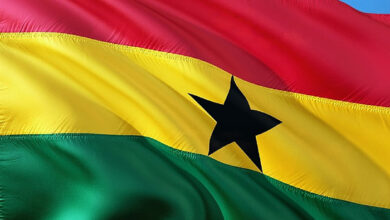
Tourism is Ghana’s next big economy
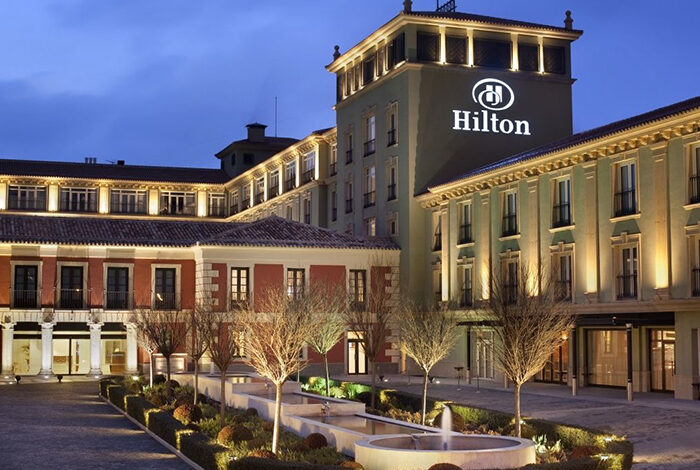
The news that global hospitality giants Hilton and Marriott are expanding into Ghana marks a turning point in the country’s economic narrative.
But beneath the fanfare of international brands and glossy hotel lobbies lies a deeper story about Ghana’s ambitions, vulnerabilities, and opportunities in a rapidly shifting tourism landscape.
Tourism in Ghana has long been a quiet economic driver. While gold and cocoa dominate headlines, the subtle power of cultural heritage, historical sites, and vibrant urban life continues to attract a growing number of visitors. The entry of Hilton and Marriott does not just put Ghana on the global hotel map, it signals confidence in the country’s long-term tourism potential and economic stability.
This is not merely about beds and breakfast buffets. It is about infrastructure, employment, and global visibility. A Hilton or Marriott in Accra or Ada Foah brings with it not just international guests but also international standards of service, safety, and sustainability. That level of consistency could be transformative for an industry that often struggles with fragmentation and uneven quality.
Let us also talk jobs. With hospitality being a high-employment sector, the spillover effects are significant: chefs, cleaners, security personnel, maintenance staff, suppliers, tour guides, and transport operators all stand to benefit. That is before you count the entrepreneurs who build restaurants, cafes, and cultural experiences to serve the uptick in traffic.
But the glow of international investment also casts shadows. The challenge is to ensure that local businesses are not pushed aside in favor of imported luxury. Will Ghanaian artisans furnish these hotels? Will local produce fill the breakfast tables? Will the staff be trained to move up, not just serve from below? This expansion must not become a symbol of foreign prestige, it must become a platform for local participation.
Economically, this trend also serves as a soft endorsement of Ghana’s post-crisis recovery efforts. In the wake of currency instability and inflation, the decision by two of the world’s largest hotel chains to deepen their presence here is a vote of confidence. It suggests Ghana is once again seen as investable, not just in extractives but in experiences.
Yet, this moment must be met with policy clarity. Urban planning, tax incentives, visa processes, and sustainable development strategies will all need to keep pace with this growth. If managed well, the tourism sector could become a resilient pillar of the Ghanaian economy, less susceptible to the volatility that often comes with commodities.
So yes, we should celebrate Hilton and Marriott’s arrivals. But let us also use this moment to double down on local empowerment, smart planning, and long-term vision. Because Ghana’s tourism is not just about welcoming the world, it is about preparing the country to thrive in it.