New BoG rules force shareholders to forfeit equity over bad loans
By Rebecca Okine
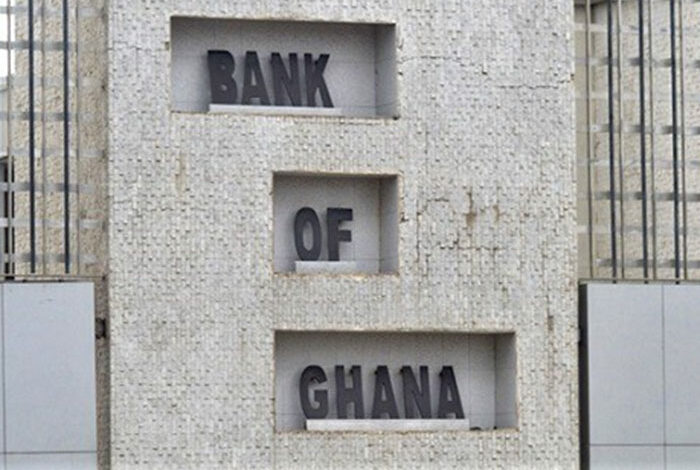
The Bank of Ghana (BoG) has announced regulatory reforms aimed at tackling the growing menace of non-performing loans (NPLs) in the banking sector, with a landmark policy that will see significant shareholders forfeit their equity holdings to settle loan defaults directly linked to their own or management’s conduct.
The bold new measures, outlined in the central bank’s official document titled “Notice on Regulatory Measures to Reduce Non-Performing Loans (NPLs),” are part of a broader agenda to strengthen the stability, solvency, and integrity of Ghana’s financial system.
Under the new policy, any significant shareholder, director, or key management personnel (KMP) of a Regulated Financial Institution (RFI) who has a loan in default for over 180 days will be deemed “not fit and proper” to hold office or maintain their controlling stake.
In such circumstances:
• The BoG will withdraw regulatory approval for the affected person to serve as a director or executive.
• The individual will be barred from serving in any other financial institution licensed by the central bank.
• The significant shareholder will be compelled to divest their stake, with proceeds used to settle the outstanding loan.
BoG added that these measures are designed to curb the conflict of interest and moral hazard that arise when influential insiders in financial institutions take loans they fail to repay—often without consequences.
In an additional move to tighten credit discipline, the BoG will also require financial institutions to publish the names of defaulters.
Each RFI will be mandated to:
• Publicize the list of defaulters in at least two national daily newspapers, and
• Host the same list on their official websites, ensuring broader public access to the information.
Analysts say this “naming and shaming” approach could deter willful defaults and increase transparency in Ghana’s credit system.
“This is a necessary cultural shift. For far too long, insiders have taken loans with little intention to repay, hiding behind their status. The BoG is now pushing the industry toward accountability,” said Dr. Richmond Atuahene, a banking consultant.
Ghana’s banking sector has been grappling with persistently high non-performing loans, with the NPL ratio standing above 18 percent as of Q1 2025, according to BoG’s own financial stability review. Many of these bad loans are linked to insider lending, poor due diligence, and weak recovery practices.
The issue was further exacerbated by the post-COVID credit expansion and subsequent macroeconomic shocks in 2022–2023, which pushed several businesses and individuals into distress.
However, BoG officials say the time for leniency has passed.
“We can no longer afford a culture where directors and major shareholders treat the financial institutions they oversee as personal piggy banks,” the official stated.
The proposed measures are expected to face intense scrutiny from shareholders, boards, and legal professionals, especially concerning the enforceability of forced divestiture clauses and the fit-and-proper framework.
Yet many experts welcome the reforms.
“Forfeiture of shares is a radical but necessary move,” said Ms. Edem Adzaho, a corporate governance expert. “It realigns incentives and reestablishes the fiduciary duty owed to depositors, not just boardrooms.”
However, others caution that the policy must be enforced fairly and accompanied by a transparent appeals process to avoid abuse or politicization.
The Bank of Ghana is expected to begin enforcement in the second half of 2025, with banks and non-bank financial institutions required to submit updated lists of default-linked insiders and prepare compliance frameworks to facilitate enforcement.
Financial institutions that fail to act could also face regulatory penalties, part of a broader shift toward system-wide discipline and credit risk management.