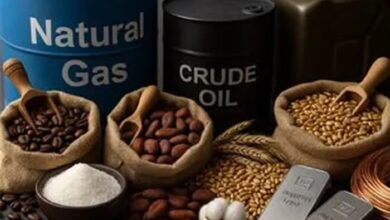
Fuel prices expected to decline starting June 16 following levy suspension
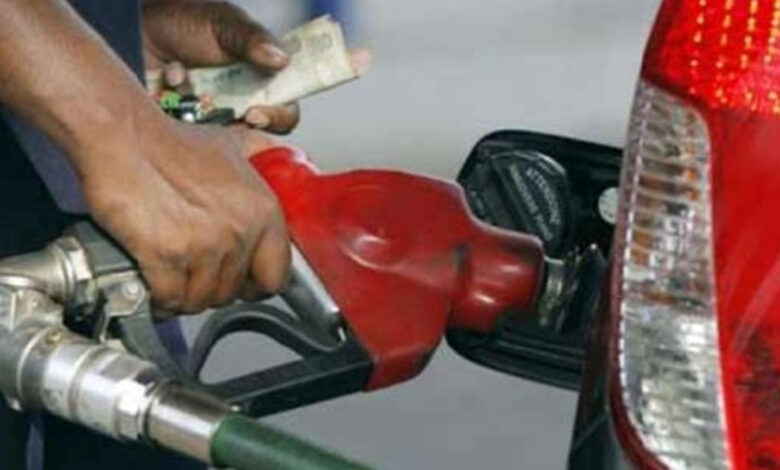
Petroleum prices at the pumps are set to decrease beginning Monday, June 16, 2025, after the government postponed the implementation of the GHS1.0 Energy Sector Levy.
Analysts project this will be the seventh reduction in fuel prices since February 16, 2025, providing some relief to motorists and businesses nationwide.
According to the latest pricing forecast from the Chamber of Oil Marketing Companies (COMAC) for the period of June 16 to June 30, a liter of petrol is expected to retail at around GHS11.77. This reflects a decline of between 1.1 and 2.25 percent compared to prices on June 1.
Diesel prices are anticipated to experience one of the largest drops in recent times, falling by up to 4.3 percent to an estimated GHS12.13 per liter. Liquefied petroleum gas (LPG) prices are also projected to fall by approximately 3.2 percent, with the kilogram expected to sell for about GHS13.30.
However, rising crude oil prices on the global market pose a potential threat to the stability of fuel prices in the country. Tensions in the Middle East, particularly following Israel’s military strikes on Iran’s nuclear facilities, have contributed to a sharp rise in crude oil costs.
Recent data shows crude oil prices climbed 4.41 percent, from USD 65.35 to USD 68.23 per barrel. This increase was further driven by the U.S. ordering a partial evacuation of its embassy in Iraq amid escalating security concerns.
As a result, international prices for petrol and diesel rose by 1.03 percent and 3.94 percent respectively, while LPG prices declined by 1.79 percent.
New Ghana funding expected after IMF review in early July
The International Monetary Fund (IMF) has scheduled a review of Ghana’s fourth programme assessment under the Extended Credit Facility (ECF) for early July. If approved, this review will release approximately USD370 million in financial support to aid Ghana’s ongoing economic recovery.
Julie Kozack, IMF Communications Director, confirmed the timeline during a recent press briefing, stating that the total disbursements under the ECF since its approval in 2023 will then reach about USD2.4 billion.
“At the staff level, an agreement was reached on April 15 regarding the fourth review of Ghana’s extended credit facility. Once our executive board approves this review, Ghana is expected to receive approximately USD370 million, bringing total support under the ECF to USD2.4 billion since May 2023. We anticipate presenting this review to our board in early July, so in just a few weeks,” Ms. Kozack explained
This review is part of broader efforts to support Ghana’s economic reform agenda and ensure debt sustainability within the ECF arrangement.
In addition, the IMF will closely examine recent gains made by the Ghanaian cedi against major foreign currencies during upcoming programme reviews. The cedi has shown notable appreciation recently, reversing a trend of persistent depreciation.
Ms. Kozack emphasized that the Fund is carefully monitoring key macroeconomic indicators, including exchange rate movements, to ensure that Ghana remains on track to meet its economic targets.
“As we evaluate the program, we consider all developments, including exchange rate trends. Future reviews will enable our teams to assess evolving macroeconomic and financial conditions and confirm whether the program’s targets continue to be appropriate and achievable,” she added.
Mahama moves to shield fuel prices as crude oil costs rise
President Mahama has directed the Ministers of Energy and Finance to develop plans to protect the country’s recent reductions in petroleum prices, following the sharp increase in crude oil prices triggered by escalating tensions between Israel and Iran.
While speaking during his Thank You Tour in the Savannah Region, President Mahama recognized the country’s strides in economic stabilization but warned that international developments continue to pose risks.
“Although we have made significant progress stabilizing the economy, Ghana is not immune to the effects of global events,” the President noted.
He highlighted that the ongoing missile exchanges between Israel and Iran have caused crude oil prices to spike, threatening to reverse recent improvements in domestic fuel costs.
In response, President Mahama has directed the Ministers of Finance and Energy to closely monitor the evolving situation, analyze its potential impact on local petroleum prices, and implement measures aimed at preserving the gains achieved.
Turning to infrastructure, the President announced that construction work will soon begin on the long-delayed Damongo Water Supply project, which aims to provide clean and safe drinking water to residents of Damongo and neighboring communities.
“Clean water is a basic human right, not a privilege,” President Mahama emphasized.
He confirmed that the European Union has pledged funding for the initiative and that all design work has been finalized.
The water system will draw from the White Volta River at Yape, serving approximately 8,000 people in Damongo and communities along the pipeline.