Ghana’s currency in circulation reaches ₵71.6bn in 2024
By Praisebell Rosemond Larbi
The amount of money in circulation in Ghana surged to GH₵71.6 billion by December 2024, according to the Bank of Ghana’s 2024 Financial Statement released on June 5, 2025. This marks a 60.9 percent increase from the GH₵44.5 billion recorded in 2023.
The report highlights a sharp year-on-year rise in physical currency—including banknotes and coins—raising questions about the underlying drivers of the increase and its implications for macroeconomic indicators such as inflation, currency depreciation, and real economic activity.
While the Bank of Ghana did not directly link the rise to specific policies or market conditions, analysts question whether the surge reflects economic growth or underlying inflationary pressures.
Breakdown of Currency by Denomination
A closer look at the data shows that high-denomination banknotes continue to dominate circulation:
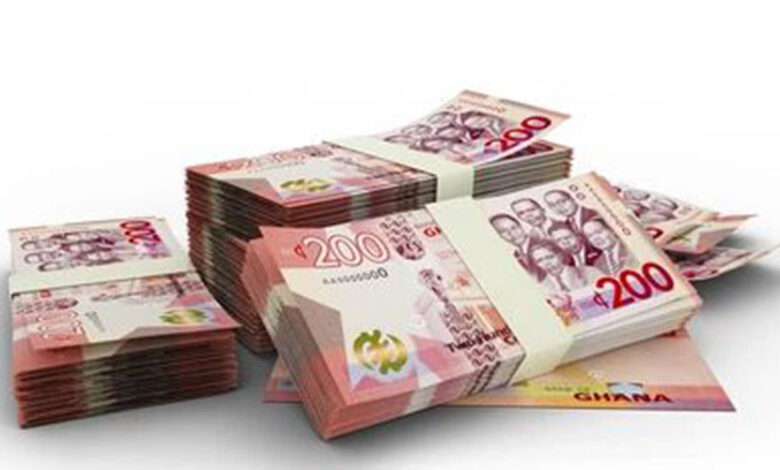
- GH₵200 note: Saw the sharpest growth, doubling in circulation value from GH₵12.3 billion in 2023 to GH₵24.3 billion in 2024.
- GH₵100 note: Increased to GH₵18.5 billion in 2024, up from GH₵14.5 billion the previous year.
- GH₵50 and GH₵10 notes: Also rose, though specific values were not detailed.
- GH₵20 note: Remained unchanged at GH₵5 billion—a rare constant amid rapid shifts in note usage.
The heavy reliance on high-denomination notes has renewed debate about Ghana’s currency structure, particularly the gradual disappearance of lower-value notes from daily transactions.
Currency Management Costs Climb
As cash in circulation grew, currency management costs also rose sharply in 2024. The central bank’s expenses for printing notes, minting coins, and logistics jumped from GH₵688 million in 2023 to GH₵1 billion in 2024. Key details:
- Printing/minting costs: Increased from GH₵675 million to GH₵986 million.
- Foreign currency imports: Spent GH₵14.4 million in 2024 (up from GH₵2.6 million in 2023) to meet demand from banks and businesses.
The spike reflects broader money supply growth, higher transactional demand, and potential replacement of worn-out notes due to inflation-driven cash usage.
Macroeconomic Concerns
The sharp rise in money supply has raised concerns among economists, who warn that without matching growth in economic output, excess liquidity could fuel inflation and exchange rate pressures.
The report follows months of inflationary strain and cedi volatility. By December 2024, the currency had depreciated significantly against the dollar, driven by high import demand and limited forex inflows. With the Bank of Ghana balancing inflation control and economic stimulus, money supply management will likely remain a key policy focus in 2025. Market observers will closely watch the next Monetary Policy Committee (MPC) meeting for signals on its response to the expanded money supply and broader economic stability implications.