COPEC rejects ₵1 fuel levy
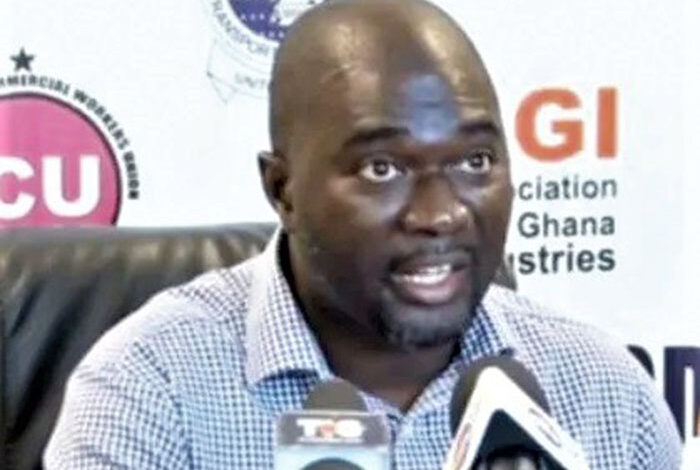
The Chamber of Petroleum Consumers (COPEC) has criticized the government’s decision to impose a GHS1 fuel levy per litre at the pumps as a means of clearing Ghana’s mounting power sector debt. COPEC is instead calling for innovative, transparent, and efficient alternatives that do not further burden already-struggling petroleum consumers.
The GHS1 levy is aimed at raising revenue to settle debts owed to Independent Power Producers (IPPs) and other stakeholders in the energy sector. However, the measure has sparked widespread disapproval, particularly from industry players and civil society groups, who say the government failed to properly engage key stakeholders, including Oil Marketing Companies (OMCs), before its announcement.
The Ghana Revenue Authority (GRA) has since postponed the implementation of the levy to June 16, 2025, amid ongoing backlash.
In aN interview, COPEC’s Executive Secretary, Duncan Amoah, expressed grave concerns about the decision, arguing that it shifts the financial burden onto ordinary Ghanaians without addressing the root causes of the power sector’s inefficiencies.
“It is as if the Electricity Company of Ghana (ECG) has money that they can use for corrupt things in the power sector, and we have allowed them to misuse the money — and then they come back to tell us there is no money to pay for the Independent Power Producers and fuel. So Ghanaians must pay through levies,” Mr. Amoah stated.
He called on the government to focus on improving efficiency within the sector rather than imposing blanket levies. Specifically, he cited the need to curb technical and financial losses, eliminate procurement irregularities, and hold individuals accountable for corrupt practices that contribute to the accumulation of debt.
“The power sector debt is not out of a vacuum. Something led to the accumulation of the debt. Transmission losses is one, poor revenue generation and collection is two, and the misuse of revenue is three,” he said.
Mr. Amoah added that the Electricity Company of Ghana should be made to answer for the operational lapses that have led to revenue leakages and uncollected payments.
He also stressed that the government must show a firm commitment to accountability by punishing corrupt officials within ECG and the broader energy sector. “The procurement breaches, corruption, and blatant disregard for the laws — and sometimes even common sense — must be checked. We cannot continue to ask Ghanaians to pay for the inefficiencies of public institutions,” Mr. Amoah asserted.