

Nurses’ strike disrupts healthcare nationwide
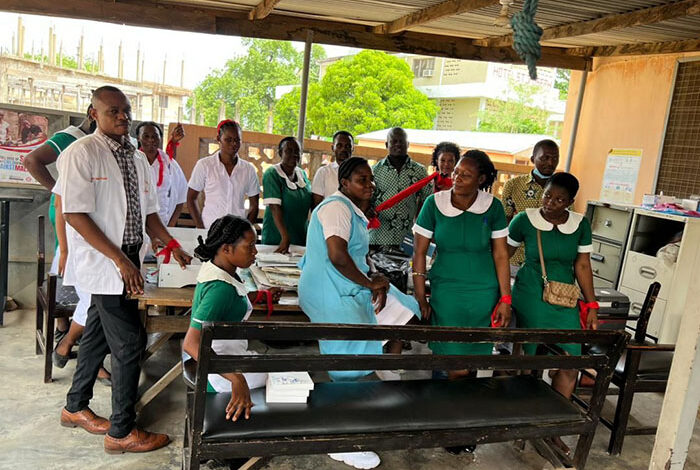
By Praisebell Rosemond Larbi
Healthcare delivery across the country has been severely disrupted due to an ongoing strike by nurses in public hospitals, leaving thousands of patients stranded and limiting access to essential medical services.
The strike, led by the Ghana Registered Nurses and Midwives Association (GRNMA), has caused widespread absenteeism among nurses at various health facilities, with reports of abandoned outpatient departments (OPDs) and stalled operations nationwide.
In response, the Ministry of Health has issued emergency directives to maintain essential services and manage the situation. In a statement, Ministry spokesperson Tony Goodman confirmed that a high-level meeting was held on May 30, 2025, involving all major nursing and midwifery associations.
These included the GRNMA, the Union of Professional Nurses and Midwives (UPNMG), the Ghana Registered Midwives Association (GRMA), the National Association of Registered Midwives (NARM-G), the Psychiatric Nurses Association of Ghana (PAPNG), and the Nurses and Midwives Educators Society.
At the meeting, the unions presented a unified demand for the immediate implementation of a Collective Agreement signed in 2024, which they claim the government has neglected. Health Minister Kwabena Mintah Akandoh assured the unions that their grievances would be urgently addressed.
However, while most associations agreed to continue service delivery pending further negotiations, the GRNMA insisted on proceeding with the industrial action. The Ministry has since activated contingency plans to prevent a total breakdown of healthcare delivery.
Emergency Measures in Place
As part of the Ministry’s contingency plan:
Directors of Nursing Services and their deputies have been instructed to remain at their posts throughout the strike period.
All unit heads have been tasked with ensuring that maternity and emergency services remain operational.
The National Ambulance Service has been placed on standby in all districts to respond to emergencies.
Emergency coordination structures have been set up to ensure seamless referral and case management across districts.
Daily service delivery reports are being submitted by the Director-General of the Ghana Health Service and CEOs of teaching hospitals to the Acting Chief Director of the Ministry.
The Ministry is collaborating with quasi-government health facilities to manage the surge in patient volume.
Rotational nurses and those undergoing mandatory clinical training have been directed not to participate in the strike.
The Ministry has reiterated its commitment to resolving the impasse and appealed to the GRNMA to reconsider its stance. “We are closely monitoring the situation and have put in place all necessary logistics and support to mitigate the impact of the strike,” the statement read.
Meanwhile, the Ministry expressed gratitude to the nurses and midwives who have chosen to continue working during this difficult period and emphasized that discussions are ongoing to find an amicable resolution to the concerns raised by the striking union.



