Gates pledges $200B fortune to Africa’s health, education
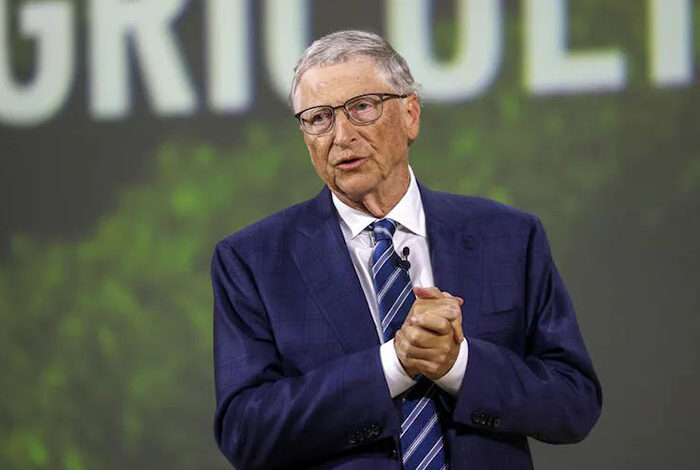
Billionaire philanthropist and Microsoft co-founder Bill Gates has announced that the bulk of his wealth will be used to transform healthcare and education systems across Africa over the next two decades. Speaking at the African Union headquarters in Addis Ababa, Ethiopia, the 69-year-old emphasized that unlocking human potential through better health and education would place every African country on a sustainable path to prosperity.
The tech mogul reaffirmed a recent personal commitment to give away 99% of his estimated $200 billion fortune by 2045. He explained that the majority of this wealth would be directed at tackling Africa’s most pressing development challenges. This timeline also aligns with the planned closure of the Bill & Melinda Gates Foundation’s operations, which he said would sunset after completing its long-term objectives.
“I recently made a commitment that my wealth will be given away over the next 20 years. The majority of that funding will be spent on helping you address challenges here in Africa,” Gates declared. His pledge comes at a time when global aid to Africa—particularly from the United States—has been significantly reduced. Programs aimed at addressing HIV/AIDS and other health issues have faced cuts under former President Donald Trump’s ‘America First’ policy, causing concern among health advocates.
Gates’ announcement was warmly received by African leaders and civil society figures. Mozambique’s former First Lady, Graça Machel, described the moment as one of renewed hope during a time of crisis. She praised Gates for maintaining a consistent commitment to Africa’s progress when many global allies have pulled back.
In his address, Gates urged Africa’s young innovators to think boldly about how emerging technologies like Artificial Intelligence (AI) can be applied to solve the continent’s health challenges. He pointed out that just as Africa leapfrogged traditional banking systems through mobile money, it now has an opportunity to build next-generation healthcare systems that integrate AI from the outset. Rwanda, he noted, is already using AI-enabled ultrasound technology to detect high-risk pregnancies and improve maternal health outcomes.
Gates stressed the foundational importance of maternal health and early childhood nutrition. He explained that helping women stay healthy and well-nourished before and during pregnancy significantly improves outcomes for both mothers and babies. Furthermore, ensuring that children receive adequate nutrition in the first four years of life, he said, is key to unlocking their full developmental potential.
According to Gates, the foundation’s work in Africa over the next 20 years will concentrate on ending preventable deaths among mothers and infants, eliminating deadly infectious diseases in the next generation, and reducing extreme poverty across the continent. He believes these goals are achievable with sustained effort, innovation, and collaboration with African leaders, communities, and youth.
While giving away nearly all his fortune could still leave him among the world’s wealthiest individuals, Gates emphasized that legacy—not riches—is what matters most to him. “People will say a lot of things about me when I die. But I am determined that ‘he died rich’ will not be one of them,” he wrote in a recent blog post.
Gates, who co-founded Microsoft in 1975 with the late Paul Allen, has spent the last two decades transitioning from corporate leadership to full-time philanthropy. Inspired by investor Warren Buffett and other philanthropic peers, he has increasingly focused on global development, public health, and education. Though his foundation has received some criticism for wielding outsized influence over global health policy and allegedly benefiting from tax advantages, Gates insists that its purpose is to create meaningful, measurable impact in communities that need it most.