Trump, Xi May resume trade talks soon
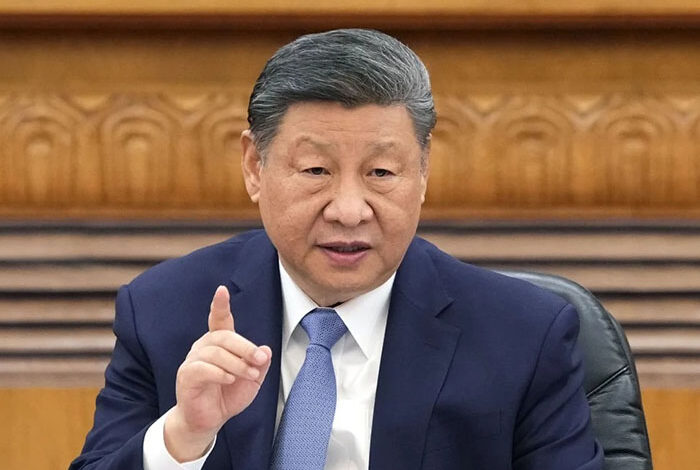
The White House has signaled a possible resumption of high-level trade talks between the United States and China, with a conversation between President Donald Trump and Chinese President Xi Jinping potentially taking place as early as this week. The development was disclosed by Kevin Hassett, Director of the National Economic Council, who confirmed ongoing discussions about arranging a call between the two leaders. However, he emphasized that no specific date has been confirmed.
“President Trump, we expect, is going to have a wonderful conversation about the trade negotiations this week with President Xi. It has been discussed that the two of them will talk about the Geneva agreement, which we’re all very favorably inclined towards,” Hassett said, expressing cautious optimism. He added that while the timing remains tentative, both sides have indicated a willingness to reengage.
The potential dialogue follows a tense period in U.S.–China relations, marked by growing friction over the implementation of a 90-day trade truce agreed upon during a meeting in Switzerland earlier this year. That agreement, now commonly referred to as the “Geneva agreement,” was designed to provide a window for both countries to make tangible progress on longstanding trade issues—ranging from tariffs and market access to intellectual property protections and regulatory transparency.
However, recent weeks have seen signs of strain. President Trump accused China of failing to uphold its commitments under the preliminary deal, warning that Beijing appeared to be walking back earlier concessions. “So much for being Mr. NICE GUY!” Trump wrote in a social media post, suggesting that the U.S. could soon revert to a more aggressive posture if progress remains elusive.
Speaking to reporters last Friday, Trump reiterated that he expected to speak directly with President Xi to address the impasse. Administration officials have since confirmed that internal discussions are underway to arrange that call, though no timeline has been finalized.
Meanwhile, officials at various levels of government have echoed the president’s frustration, pointing to what they describe as deliberate delays by the Chinese negotiating team. Commerce Secretary Howard Lutnick remarked that China was “just slow-rolling the deal,” a sentiment shared by others in the administration.
“I think slow-rolling is the right way to say it, and I think Donald Trump is on it,” Lutnick said, adding that the president remains firmly committed to protecting U.S. economic interests and won’t hesitate to impose further tariffs if talks stall.
Treasury Secretary Scott Bessent also weighed in on the state of negotiations, saying discussions have become “a bit stalled” in recent days. “I believe that we will be having more talks with them in the next few weeks,” Bessent said, reinforcing the administration’s view that a reset in communication at the highest level may be necessary to overcome the current stalemate.
Despite the public rhetoric, behind-the-scenes engagement continues at a steady pace. Hassett confirmed that U.S. Trade Representative Jamieson Greer and his team are in daily contact with their Chinese counterparts, working to make headway on contentious issues and ensure compliance with earlier agreements. “People are talking every day. Our teams are in constant communication trying to move the ball forward,” Hassett said.
The outcome of any renewed Trump-Xi engagement could prove pivotal. Trade relations between the two largest economies in the world have broad implications not just for the U.S. and China, but for global markets and geopolitical stability. Investors, multinational corporations, and foreign governments alike are closely monitoring developments, wary of renewed tariff escalations that could disrupt global supply chains and economic growth.
The European Union, already impacted by the ongoing dispute, has stated it is “prepared to impose countermeasures” in response to Washington’s decision to double steel tariffs to 50%, a move that many see as an extension of the administration’s hardline approach to trade enforcement.