Lilwin’s film on Ibrahim Traoré sparks political debate
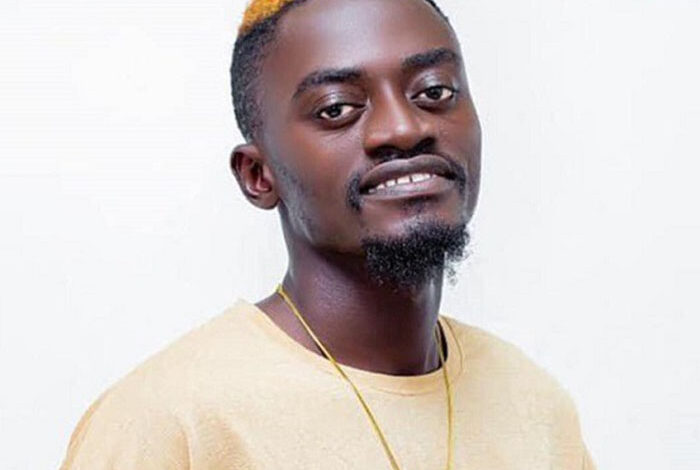
Even before its official release, the much-anticipated film ‘Ibrahim Traoré: The Last African Hero’, starring Ghanaian actor and producer Kwadwo Nkansah, popularly known as ‘Lilwin,’ has ignited public debate over its perceived political message and timing.
Directed and written by veteran filmmaker Jackson K. Bentum, the film centers on the controversial yet charismatic figure of Captain Ibrahim Traoré—the young Burkinabè military leader who seized power through a coup in September 2022 and quickly became a symbol of anti-imperialist resistance and youth-driven reform in West Africa.
In an interview, Bentum clarified that he personally authored the script before handing it over to Lilwin for production. According to the director, Lilwin was the ideal candidate to portray the film’s central themes and bring the story to life.
“When I completed the script, I knew Lilwin was the ideal person to bring this story to life. His ability to connect with audiences and deliver complex messages through drama made him the right fit for the role,” Bentum said.
Despite early excitement surrounding the project, the film has come under scrutiny, with critics accusing it of glorifying military takeovers at a time when democratic fragility is spreading across parts of West Africa.
Responding to the criticism, Bentum firmly rejected the notion that the film promotes military coups. “We are not saying coups are good. That is not what this movie is about. The story is centered on leadership and impact. Captain Ibrahim Traoré’s leadership in Burkina Faso has brought a sense of renewed hope and sovereignty to the people,” he emphasized.
Captain Ibrahim Traoré emerged as a national figure after leading a coup d’état on September 30, 2022, that deposed Lieutenant Colonel Paul-Henri Sandaogo Damiba. At just 34 years old, Traoré became the world’s youngest head of state. He pledged to restore security and national dignity amid rising jihadist violence and political disillusionment in Burkina Faso.
Under his leadership, Burkina Faso has sought to distance itself from France’s long-standing influence in the region, pivot toward Russia, and invest in building local economic self-reliance. Supporters praise Traoré’s Pan-African posture and emphasis on sovereignty, but detractors caution against his increasingly centralized power, curtailed press freedoms, and unresolved security challenges.
The timing of the film’s production—amid a wave of coups across the Sahel and a surge in anti-Western rhetoric—has prompted questions about its broader intent. For some, ‘Ibrahim Traoré: The Last African Hero’ reflects growing sentiments among young Africans disillusioned with Western-style democracy and economic dependency. For others, the film risks romanticizing undemocratic power seizures at a critical juncture in the continent’s political development.
While a release date has yet to be announced, both Bentum and Lilwin are hopeful that the film will stir meaningful conversations about Africa’s future. “Our hope is that this film will challenge people to think deeply about what true leadership looks like in Africa,” Bentum said.