

High utility tariffs threaten AfCFTA competitiveness – GUTA
By Praisebell Rosemond Larbi
The Ghana Union of Traders Association (GUTA) has warned that the country’s persistently high utility tariffs are eroding Ghana’s competitiveness under the African Continental Free Trade Area (AfCFTA) and deterring much-needed investment in the productive sectors of the economy.
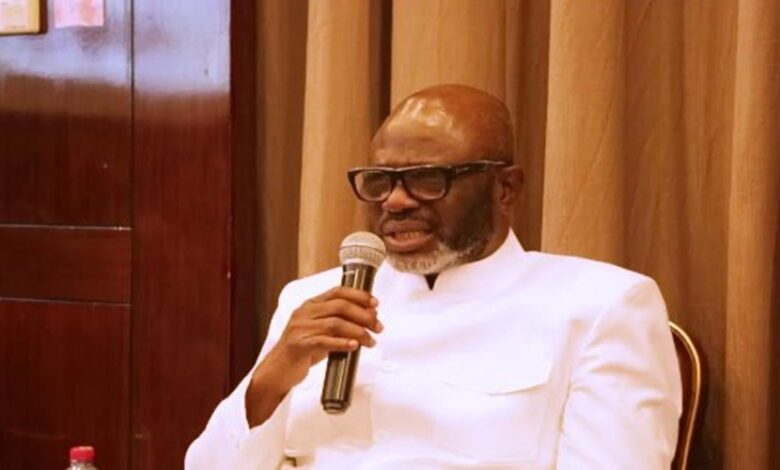
Speaking at a press conference in Accra, GUTA President Mr Joseph Obeng expressed grave concern over what he described as an “unsustainable cost environment” created by continuous hikes in electricity and water tariffs.
He noted that the situation has made local manufacturing and trading less attractive compared to neighbouring countries, undermining Ghana’s ability to compete effectively within the continental single market.
“We all realise that we are participating in AfCFTA, yet Ghana is lagging behind. We are not competitive, and our goods cannot even compete with those from Togo. The reason is the high cost of doing business here, especially regarding utility tariffs. It has not helped us. The earlier we solve these issues, the better,” Mr Obeng stated.
According to GUTA, the escalating cost of utilities has increased the price of production inputs, squeezed profit margins and forced many enterprises, particularly small and medium-sized businesses, to either scale down operations or pass on the costs to consumers.
The Union is therefore calling on the government, the Public Utilities Regulatory Commission (PURC) and relevant sector agencies to engage the private sector in developing a more balanced and sustainable tariff regime.
Such a framework, Mr Obeng argued, should reflect both the operational realities of the utilities and the competitiveness needs of Ghanaian industries.
“We are not against paying for power or water, but tariffs must be realistic and should not cripple businesses,” he indicated.
Meanwhile, the Ghana Food and Beverages Association (FABAG) has echoed GUTA’s concerns, urging President John Dramani Mahama to introduce sweeping reforms at the Electricity Company of Ghana (ECG) to address inefficiencies that continue to burden consumers.
FABAG Chairman John Awuni said frequent tariff adjustments, without addressing ECG’s technical and commercial losses, are counterproductive.
“There shouldn’t be any tariff increment. Because no amount of tariff increment can solve the problems of ECG. There must be a reform, and that reform should focus on reducing the technical and commercial losses to reasonable standards,” he emphasised.
Both business groups warned that without urgent intervention, Ghana risks losing its competitive edge under AfCFTA and driving away potential investors seeking stable and affordable operating environments.



