South Africa overtakes Nigeria in fuel imports
Nigeria has officially relinquished its title as Africa’s biggest fuel importer, with South Africa taking the lead following a significant decline in Nigeria’s fuel imports. The shift marks a major milestone for Nigeria, fueled by increased domestic production at the newly commissioned Dangote Refinery, which began ramping up operations in 2024.
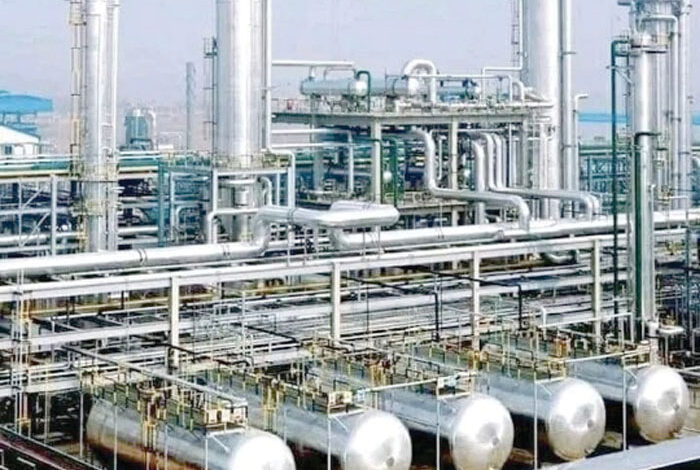
The $20 billion Dangote mega-refinery, located in Lagos, has transformed the country’s fuel supply dynamics. With a capacity of 650,000 barrels per day, the plant is now playing a pivotal role in reducing Nigeria’s dependency on imported refined petroleum products. This development aligns with the long-held objective of ending the costly cycle of exporting crude oil to Europe for refining and reimporting finished products.
According to data from energy consultancy CITAC, Nigeria imported 3.1 million tons of refined fuel in the first quarter of 2025, down significantly from previous years. In contrast, South Africa brought in 4.2 million tons during the same period. CITAC projects that South Africa will import approximately 15.5 million tons of fuel in 2025—nearly double the volume expected from Nigeria, which stands at 6.4 million tons. Kenya is projected to import 8.9 million tons.
Elitsa Georgieva, executive director at CITAC, emphasized the significance of this transition. “Nigerian imports are dropping as a result of the continued operation of Dangote. Since the beginning of this year, South African imports have been consistently the highest in sub-Saharan Africa,” she said.
The shift also highlights the challenges faced by South Africa’s refining sector. Over the past five years, nearly half of the country’s oil-refining capacity has gone offline due to a series of accidents, underinvestment, and a difficult operating environment. As of 2025, around 49 percent of the country’s refineries remain idled, forcing it to import more than 60 percent of its fuel needs.
To address the refining shortfall, the South African government took a notable step by acquiring the Sapref refinery from Shell Plc and BP Plc in an effort to revive domestic capacity. Despite this, the country remains a major opportunity for global fuel traders. Firms such as Glencore Plc, Vitol SA, and Gunvor have increasingly capitalized on South Africa’s fuel import demands. Gunvor is also among the shortlisted candidates to acquire Shell’s retail network in the country.
The changing landscape across the continent is not confined to Nigeria and South Africa alone. Several African nations, including Uganda and Mozambique, are exploring ways to expand domestic refining capabilities, although such projects remain capital-intensive and often encounter significant delays. Dangote’s own refinery faced multiple setbacks and budget overruns before coming online.