Mahama sets medium-term debt target at 55–58% of GDP
By Praisebell Rosemond Larbi
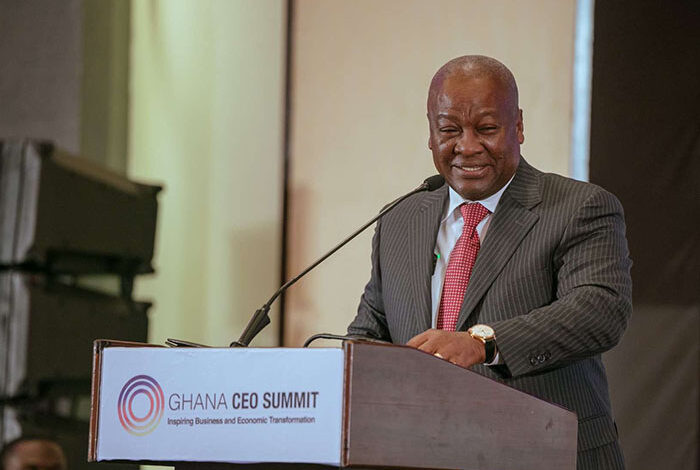
President John Dramani Mahama has reaffirmed his administration’s commitment to fiscal responsibility, revealing that Ghana aims to reduce its debt-to-GDP ratio to a sustainable level of between 55 and 58 percent in the medium term.
He made this announcement during a high-level panel session at the 2025 Annual Meetings of the African Development Bank Group in Abidjan, Côte d’Ivoire. The forum brought together African leaders, global financial experts, and development institutions to discuss strategies for sustainable growth and economic transformation across the continent.
President Mahama, speaking on Ghana’s macroeconomic outlook and debt trajectory, noted that the country had made significant strides in addressing its debt overhang following the successful completion of its public debt restructuring process earlier this year.
“Ghana, in particular, seems to have done very well in restructuring its high levels of public debt. We completed the process in the first quarter of this year, and we are now focused on ensuring that we don’t slide back into unsustainable borrowing,” he said.
According to the President, the government’s debt management strategy going forward will center on prudent fiscal policies, improved domestic revenue mobilization, and reforms to enhance transparency and accountability in public financial management.
“The goal is to bring the debt-to-GDP ratio to about 55 to 58 percent. This is essential not only to restore investor confidence but also to free up resources for critical investments in infrastructure, education, health, and social protection,” he told participants at the AfDB meeting.
Ghana, like many other African nations, has been grappling with high debt levels in recent years due to the compounded impact of the COVID-19 pandemic, global inflationary pressures, and the Russia-Ukraine war, which disrupted supply chains and increased food and energy costs.
However, the country has taken steps to reset the economy through a combination of domestic revenue measures, expenditure rationalization, and institutional reforms, supported by the International Monetary Fund (IMF) through an Extended Credit Facility programme.
President Mahama stressed that the lesson from Ghana’s debt restructuring experience is that African countries must build stronger fiscal buffers and reduce over-reliance on external borrowing.
“Going forward, we must focus on building resilient economies. This means broadening our tax base, boosting local production, and investing in long-term sectors such as renewable energy, agro-processing, and digital infrastructure,” he said.
He further called for increased collaboration between African governments, multilateral lenders, and the private sector to address the continent’s financing gaps and promote inclusive growth.
The AfDB Annual Meetings continue through the week, with discussions expected to focus on climate finance, youth employment, energy access, and regional integration as key drivers of Africa’s development.