IEA warns cedi gains may fade without structural reforms
The Institute of Economic Affairs (IEA) has urged the government to consolidate the recent gains of the Ghana cedi by ramping up domestic production and shifting toward an export-led growth model.
According to the economic policy think tank, the cedi’s current appreciation, while positive, may be short-lived without reforms in the real sector and improved productivity.
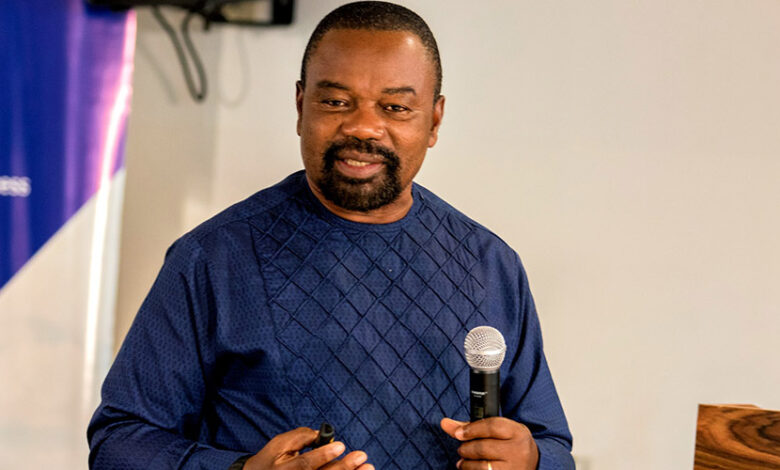
Speaking at a public forum organized by the IEA on the theme ‘Trump Tariffs: Implications for Africa and Ghana,’ Senior Fellow Dr. Vladimir Antwi-Danso emphasized that Ghana’s long-term economic resilience depends on reducing its reliance on imports and building a strong, export-oriented economy.
“We must become an export economy. That is the only way to stabilize our currency and strengthen it against others,” Dr. Antwi-Danso said during the event held in Accra.
He cautioned that without concrete steps to boost domestic production and value-added exports, the current stability of the cedi may not last.
“What we are doing is not permanent stabilization—we will relapse. By December, I believe we will relapse. And I’m saying this from a technical point of view, not as a political comment. It’s not yet ‘hooray’ for a cedi appreciation,” Dr. Antwi-Danso warned.
The IEA forum brought together economists, policymakers, business leaders, and members of the diplomatic community. Discussions focused on the impact of global trade dynamics—especially shifting U.S. tariff policies—on African economies, including Ghana.
A recurring theme at the event was the need for sustainable economic strategies that insulate Ghana from external shocks. Participants emphasized industrialization, agricultural expansion, and value addition as key drivers of growth and currency stability.
While recent interventions by the Bank of Ghana and the government have helped stabilize the cedi, IEA analysts caution that monetary gains alone are insufficient.
“The cedi’s appreciation is good news, but it must be backed by real economic performance. Otherwise, we’ll end up back in the same cycle of volatility,” one panelist added.