

Canada pledges to hit NATO’s 2% defense spending goal by 2026
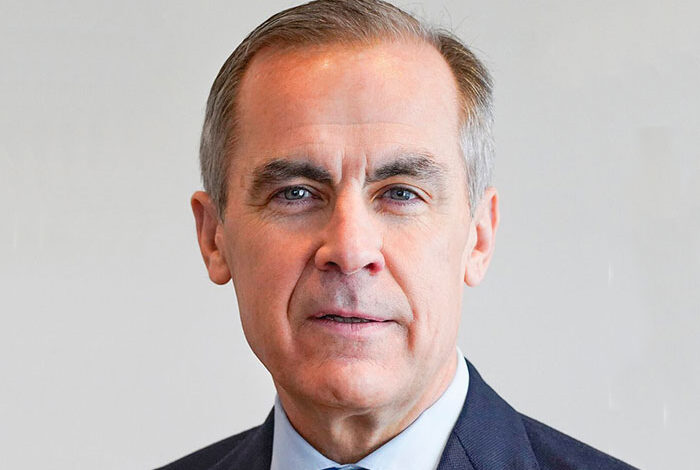
Prime Minister Mark Carney has announced that Canada will reach NATO’s 2% defense spending target by March 2026 – four years ahead of his campaign pledge and six years sooner than the previous government’s timeline.
Speaking at the University of Toronto, the Canadian prime minister called the move essential in an increasingly volatile world, citing growing threats from authoritarian regimes, cyberattacks, and Arctic militarization.”
“We are at a hinge moment in history, the most significant since the end of the Second World War. Canada can no longer afford to rely so heavily on the United States for our security. We must shoulder our share,” Prime Minister Carney stated.
The government’s plan includes a C$9.3 billion ($6.5 billion USD) increase in defense spending for the current fiscal year. This investment will bring Canada’s defense spending to the NATO benchmark of 2 percent of GDP, a long-standing goal among allies that Canada has consistently fallen short of.
Prime Minister Carney said the strategy would rest on four main pillars: investing heavily in military personnel and modern equipment; expanding the Canadian Armed Forces’ operational capabilities – particularly in Arctic defense; strengthening the domestic defense industry; and diversifying Canada’s global defense partnerships to reduce overreliance on any single ally.
Much of the new funding will be directed toward the immediate purchase of submarines, fighter aircraft, naval ships, armored vehicles, artillery, drones, and advanced surveillance sensors for Arctic and maritime monitoring. “Only one of our four submarines is seaworthy. Less than half of our land and sea fleets are in working order – this hinders our military preparedness and puts our sovereignty at risk,” the prime minister admitted.
To address longstanding inefficiencies, the government will also establish a new federal defense procurement agency to replace the current “slow and unwieldy” system. The agency is intended to fast-track procurement decisions and boost domestic defense manufacturing, following repeated warnings from defense experts and a 2024 parliamentary report that highlighted chronic delays, cost overruns, and bureaucratic mismanagement.
Opposition leader Pierre Poilievre welcomed the increased military investment but accused the ruling Liberals of “a decade of underfunding and inaction.” “NATO has been waiting, and so have Canadians. It’s time for real results, not more Liberal press conferences,” he said.
NATO Secretary General Mark Rutte, currently visiting London, has proposed that members increase spending even further to 3.5 percent of GDP, or as high as 5 percent, a figure previously championed by former U.S. President Donald Trump. Rutte warned the alliance needs a “400 percent increase in air and missile defense” to maintain credible deterrence amid escalating global threats.
Prime Minister Carney’s remarks also included pointed criticism of the United States, accusing Washington of “monetizing its hegemony” by making access to its markets more expensive for allies. This, he said, is yet another reason for Canada to build more resilient and self-sufficient defense systems and international partnerships.
“In this age, middle powers like Canada must act with clarity and confidence – because if you’re not at the table, you’re on the menu,” the prime minister added.
The announcement comes just a week before Canada hosts the G7 Summit from June 15 to 17, where global security and defense cooperation are expected to dominate discussions.



