A Rocha Ghana Urges Electric Cooking to Protect Forests, Public Health
By Praisebell Rosemond Larbi
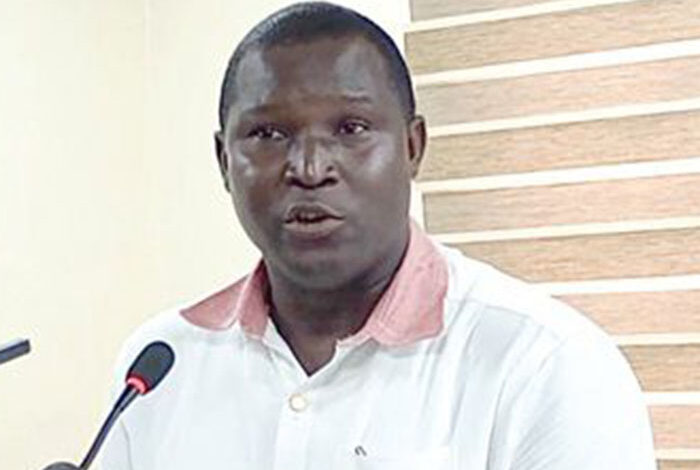
The Deputy National Director of A Rocha Ghana, Daryl E. Bonsu, has called on Ghanaians who can afford electric cooking appliances to begin transitioning from traditional biomass fuels such as charcoal and firewood.
He made the call during a climate-focused engagement on Ghana’s Nationally Determined Contributions (NDCs) under the United Nations climate agenda, which included discussions on clean cooking solutions.
According to Mr. Bonsu, while the country continues to face challenges with consistent and reliable electricity supply—particularly in rural and peri-urban areas—those with access to stable power and financial resources have a responsibility to lead the shift toward cleaner, more sustainable cooking technologies.
“We acknowledge that the national grid does not yet offer universal stability, but those who can afford electric cooking devices must take the first step. This will not only reduce household air pollution but also ease pressure on our forests and contribute to climate action,” he stated.
Mr. Bonsu highlighted that more than 70% of households in Ghana still rely on solid fuels, including charcoal and firewood, for daily cooking. This, he said, has significant environmental and health implications, particularly for women and children who are disproportionately affected by indoor air pollution.
He further noted that the adoption of clean cooking solutions is a key element in Ghana’s NDCs, which aim to reduce greenhouse gas emissions and enhance climate resilience. He urged stronger collaboration between government, the private sector, and civil society to scale up access to modern energy services, especially for vulnerable communities.
“Addressing clean cooking is not just an energy issue—it’s about public health, climate responsibility, and social equity. We must design policies that are both inclusive and practical for the realities on the ground,” he added. Mr. Bonsu’s remarks underscore the urgency of accelerating Ghana’s clean energy transition, particularly in the area of household energy consumption, to meet global climate commitments while ensuring that no one is left behind.