President Mahama hints need for Solar Policy Reforms
By Nii Trebi Hammond
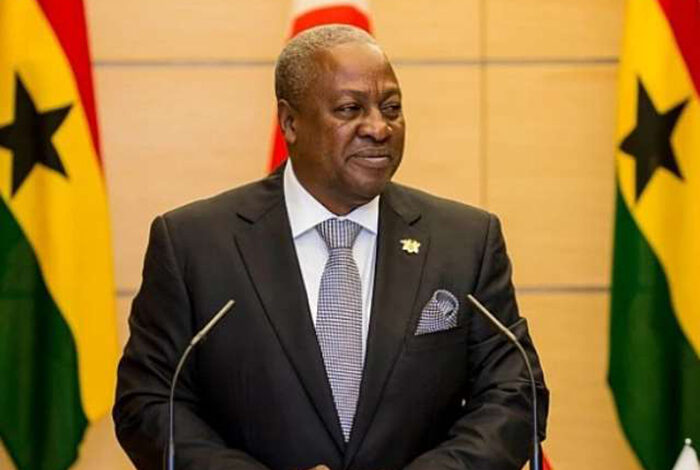
President John Dramani Mahama has called for critical reforms in Ghana’s solar energy policy, urging greater investment and regulatory changes to harness the country’s renewable energy potential and meet national energy targets.
Speaking at the Africa CEO Forum in Abidjan, Mahama acknowledged that Ghana is struggling to meet its renewable energy goals despite the passage of the Renewable Energy Act, which mandates that 10% of the country’s energy mix be derived from renewable sources. Currently, renewable energy makes up only 2.71% of the nation’s total power production, with the majority of this coming from solar.
“We all know we’re in transition to green energy,” Mahama said. “And so we passed the renewable energy act, which stipulates that at least 10% of our energy mix should come from renewable sources. I’m ashamed to say we are under 3% at the moment.”
The president stressed that Ghana has a unique opportunity to become a leader in solar energy, given its abundant sunlight. “Solar Ghana has a comparative advantage to produce solar because we have abundant sunlight. Indeed, we could export sunlight and be one of the richest countries in the world,” Mahama remarked. He emphasized the need to scale up solar energy projects, from large power plants to household solar systems and mini-grids.
In response to Ghana’s shortfall in renewable energy production, Mahama revealed that the government has granted licenses to several companies to set up large-scale solar projects, ranging from 20 to 100 megawatts. These efforts are part of a broader plan to increase solar capacity and achieve the goal of having at least 10% of the country’s energy come from renewable sources.
However, the president also noted that for solar energy to truly flourish in Ghana, more reforms are necessary, particularly in creating opportunities for citizens to invest in household solar systems. He pointed to successful models in Scandinavian countries and Germany, where citizens can not only invest in solar energy for their homes but also feed excess power back into the national grid.
“We must follow in the footsteps of countries like Germany, where individuals can invest in solar energy at the household level and feed any excess power into the national grid,” Mahama said. “At present, we do not yet have the regulation to make this possible.”
The president shared his own personal experience with solar power, having installed solar panels on his farm. While the system produces more energy than he needs, Mahama revealed that although he is able to feed excess power into the grid, the current policy does not compensate him for it. “It’s become a charity,” he lamented, underscoring the need for policy changes to make solar energy investments more financially viable for citizens. Mahama’s call to action highlights the importance of policy reform in unlocking Ghana’s solar energy potential. With the right regulatory frameworks and incentives in place, the country could make significant strides in its transition to green energy and provide a model for other nations in Africa.