

Mahama bans appointees from acquiring state assets under new ethics code
By: Ernest Afram
President John Mahama has announced a strict prohibition on the purchase of state assets by political appointees, as part of a comprehensive Code of Conduct unveiled to instill integrity and discipline within his administration.
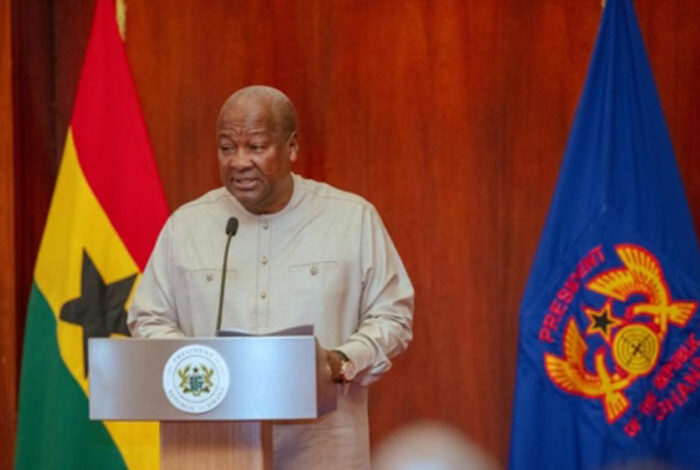
Speaking at the official launch of the Code on Monday, the President declared that no political appointee under his government will be allowed to directly or indirectly acquire state properties, including lands, buildings, vehicles, or shares. He stated emphatically that any attempt to do so will result in immediate termination of appointment.
“This is a government of shared responsibility, and there will be no sacred cows,” President Mahama said. “Public office is not a shortcut to wealth. We are here to protect the national interest, not to help ourselves to the national purse.”
The directive forms part of a wider ethics regime aimed at preventing conflicts of interest, curbing corruption, and restoring public trust in governance. The President stressed that this new rule applies to all categories of appointees — including ministers, deputy ministers, CEOs, board members, and presidential staffers.
The Code of Conduct outlines clear expectations for appointees, including rules on avoiding misuse of public office, declaring conflicts of interest, and refraining from actions that may appear to favour family members or friends. It also places strict restrictions on the acceptance of gifts and requires approval for foreign travel funded by the state.
President Mahama also warned that any breach of the Code would attract sanctions ranging from public reprimand to outright dismissal. A new reporting system is also being set up to allow citizens to confidentially report any infractions.
The ban on acquiring state assets is among the boldest provisions in the new Code, and signals the administration’s intent to clean up perceptions of privilege and abuse often associated with political appointments in Ghana. The President concluded by calling on all appointees to adhere strictly to the rules, adding that ethical leadership was essential to deepening Ghana’s democracy and building a trustworthy government.



