

Trapped by Tradition: The Hidden Struggles of Northern Women Farmers for Land Justice
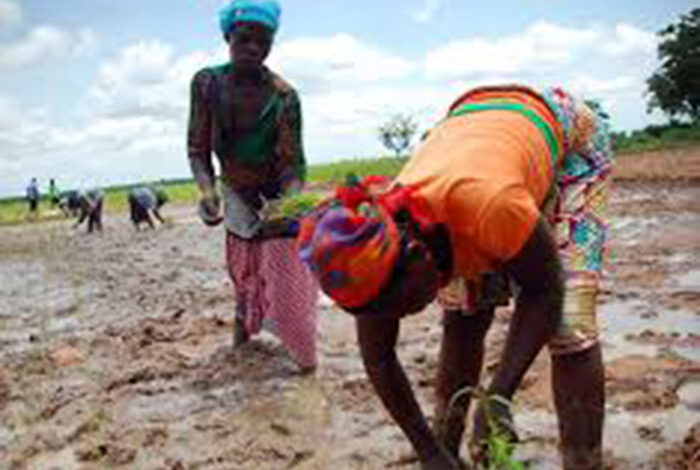
Globally, nearly half of all smallholder farmers are women, yet they own less than 20 percent of the world’s land, according to the World Economic Forum.
In sub-Saharan Africa, the Food and Agriculture Organization (FAO) reports that only 32 percent of women own agricultural land compared to 43 percent of men. In Ghana, women make up 52 percent of the agricultural labour force and contribute 70 percent of food crop production, according to the Friedrich-Ebert-Stiftung. Yet, they face significant disparities in access to land, credit, technology, and training. The FAO revealed in 2023 that women-managed farms produce 24 percent less than men’s, largely due to these disparities. Closing the gender gap in agriculture could lift 45 million people out of food insecurity and add nearly $1 billion to global GDP. But in Northern Ghana, entrenched traditions continue to restrict women’s access to land, limiting their potential and threatening national food security.
Personal Struggles
Dorcas Taawan, a 32-year-old smallholder farmer in Bunbon, Yendi Municipality, cultivates soybeans and groundnuts to support her family. Her farming dreams, however, are constantly thwarted by land insecurity.
me access the following year” she recalled.
“My first chance at farming came when my husband allowed me to use part of his land. After a good harvest, he denied
Dorcas later secured land from a neighbour and ploughed 12 acres. But just before planting, she was told not to return.
Her investment was lost, and no compensation was given.
With her husband now incarcerated, Dorcas struggles to care for her children, relying on menial jobs to survive. “You can’t even challenge such treatment, she said. “If you do, you risk being labeled a witch.”
Legal Promises vs. Customary Barriers
Ghana ratified the Convention on the Elimination of All Forms of Discrimination Against Women (CEDAW) in 1986, which mandates equal access to land and resources. National policies also support gender equity in land ownership. Despite this, customary practices, especially patrilineal inheritance systems in the north, continue to deny women land rights, even when they are first born children. Over 30 years since ratifying CEDAW, many rural women still struggle for land, undermining Sustainable Development Goal 2; which is meant to end hunger and promote sustainable agriculture.



