Fixing The Trade Imbalance: Can Ghana Rise Beyond Raw Exports?
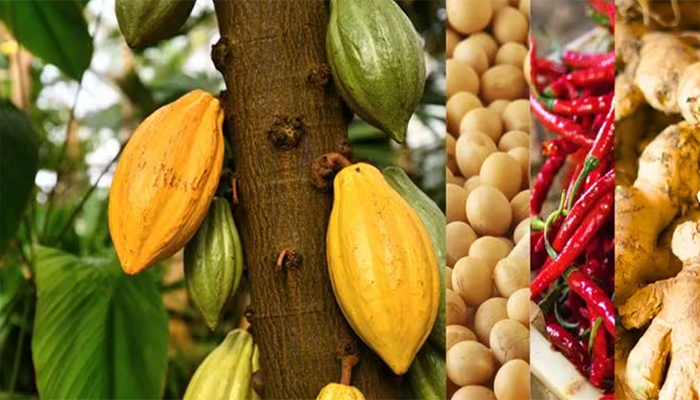
Trade has always been a powerful engine of economic transformation. From the cocoa farms of Akwapim to the timber yards of Kumasi and the bustling ports of Tema and Takoradi, Ghana’s trade sector is both a reflection of our economic ambition and a test of our structural readiness. Yet, despite its strategic location, vast natural resources, and a growing entrepreneurial class, Ghana continues to punch below its weight in regional and global markets.
The trade sector holds immense potential not just for revenue generation but for job creation, industrial growth, and national competitiveness. But if this promise is to be fulfilled, then policymakers must confront the persistent bottlenecks that have hampered progress and reimagine trade as a vehicle for inclusive, sustainable development.
Ghana’s trade profile remains heavily tilted toward primary commodities like gold, cocoa, crude oil etc. making the economy vulnerable to global price shocks. The country’s over reliance on these exports is risky and unsustainable. A single drop in cocoa prices or gold demand can destabilize our entire balance of payments and put pressure on the cedi.
Meanwhile, Ghana imports everything from rice and tomato paste to toothpicks and matches. The 2023 trade data from the Ghana Statistical Service showed that while exports totaled about $17.4 billion, imports reached $15.7 billion, creating a fragile surplus that is quickly eroded by currency depreciation and rising inflation.
This structure must change. We cannot continue to be a warehouse for raw materials and a supermarket for foreign goods. The time has come to prioritize value addition, invest in local manufacturing, and actively support exporters through financing, infrastructure, and market access.
With the African Continental Free Trade Area (AfCFTA) Secretariat headquartered in Accra, Ghana has a unique opportunity to position itself as a hub for regional trade. The AfCFTA creates a single market for over 1.4 billion people with a combined GDP of $3.4 trillion. For Ghanaian businesses especially SMEs this could be a game changer.
But we cannot take advantage of AfCFTA with poor roads, inefficient ports, and cumbersome customs procedures. The World Bank’s Ease of Doing Business report has consistently ranked Ghana low on trade facilitation. Delays at the Tema port, high duties, overlapping regulatory agencies, and unpredictable policies continue to discourage investors and frustrate exporters.
If Ghana is to lead in intra African trade, then logistics, regulations, and supply chains must be modernized. We need to align our local policies with regional frameworks and invest in export-ready industries from textiles and pharmaceuticals to agribusiness and digital services. Another critical piece of the puzzle is support for local enterprises. Ghanaian businesses face stiff competition from imported goods, many of which are cheaper due to subsidies and economies of scale. While trade liberalization is essential, it must not come at the expense of domestic production. Without strategic protection and support, local industries will collapse under the weight of foreign competition.
Government policies must walk the talk of “Made in Ghana.” This means enforcing standards to limit the influx of substandard imports, creating dedicated funds for export development, and ensuring that procurement policies favor local producers especially in key sectors like construction, food, and textiles.
Beyond the numbers, trade must translate into better lives for ordinary Ghanaians. The sector employs millions from fishermen and farmers to market traders and freight forwarders. Policies that only favor large corporates or multinationals deepen inequality and breed social resentment.
Inclusive trade policy must deliberately target women-led businesses, young entrepreneurs, and rural producers. It must break down barriers to market entry and ensure that the benefits of growth are broadly shared.
Ghana’s trade sector is at a crossroads. We can either continue on the path of missed opportunities and chronic dependency, or we can chart a bold course toward industrialization, export diversification, and regional leadership.
The world is not waiting. Nigeria, Kenya, Rwanda, and even smaller economies like Mauritius are aggressively positioning themselves in the global marketplace. Ghana must do the same investing in infrastructure, reforming its trade systems, and creating a predictable policy environment that attracts long term investment. As Kwame Nkrumah once said, “We shall measure our progress by the improvement in the health of our people, by the number of children in school, and by the quality of their education… not by the number of millionaires in our country.” Let our trade policies reflect that spirit by serving people, not just profits.