NMC Doesn’t Have the Teeth to Sanction Media Houses – Hon. Fritz Baffour

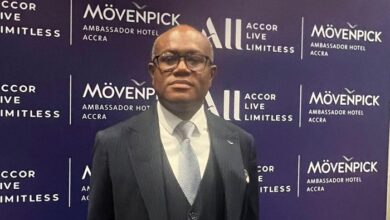
Veteran journalist and former Minister of Information, Hon. Fritz Baffour, has raised serious concerns about the politicization of Ghana’s media landscape, arguing that it has weakened professionalism and compromised the enforcement of regulations. He lamented that the National Media Commission (NMC) lacks the authority to effectively sanction violations, allowing politically aligned media houses to operate unchecked.
Speaking on Business Breakfast on ZED FM as part of World Radio Day celebrations, Baffour highlighted the increasing dominance of politically controlled radio stations, which he believes are fueling polarization and unprofessionalism in the media space.
Media Politicization and Its Dangers
According to Baffour, while political discourse is essential for democracy, its misuse in the media has eroded journalistic integrity. He explained that Ghana’s constitutional framework was designed to prevent partisan control of the airwaves, ensuring a fair and independent media that serves all citizens. However, he observed that this principle has been largely abandoned, leading to a media environment that promotes division rather than national unity.
“What has disturbed the industry is the politicization of everything. Politics is important, but when misused, it becomes a dangerous tool,” he stated.
He added that some radio stations, rather than upholding professional journalism, have become propaganda tools for political parties. Inflammatory language, misinformation, and unethical reporting have become widespread, further weakening public trust in the media.
Weak Media Regulation and the NMC’s Limitations
Baffour further criticized the NMC’s lack of enforcement power, arguing that while the commission is responsible for regulating the media, it lacks the necessary legal backing to take decisive action against errant broadcasters.
“We do have very good regulations, but they have all been bypassed because of the politicization of our airwaves. The NMC doesn’t have the teeth to sanction media houses as they should,” he remarked.
He called for stronger media laws to give the NMC greater authority to impose sanctions, enforce ethical standards, and hold media houses accountable for their content.
Declining Professionalism in the Media Space
Adding his voice to the discussion, another veteran journalist, Tommy Annan Forson popularly known as the King of Country Music, expressed concern about the declining standards of professionalism in Ghanaian media.
He argued that freedom of expression—though a fundamental right—has been stretched too far, leading to a culture of disrespect and irresponsibility in the media.
“People just don’t care anymore, and the level of respect in the media space is virtually dead. We have taken a huge nosedive as far as professionalism is concerned,” he said.
He stressed that ethical violations, unverified reporting, and sensationalism have become widespread, making it difficult to distinguish credible journalism from political propaganda.
Calls for Reform and Government Action
The veteran journalist expressed hope that the newly appointed Minister for Communications, Hon. Sam George, will take bold steps to restore order in Ghana’s media space.
“If rules and regulations are tightened and people are held accountable, especially for inciting violence, we will see some level of sanity return to the airwaves,” he added.
As Ghana marks World Radio Day, calls are growing for:
- Stronger media regulation and enforcement
- Greater accountability for media houses and journalists
- An end to politically controlled radio stations
- A renewed commitment to responsible journalism and ethical reporting
The role of radio in informing, educating, and uniting Ghanaians cannot be underestimated, but without proper regulation, media platforms risk deepening national divisions rather than fostering dialogue and development.