Investment In Education, Skills Dev, Critical
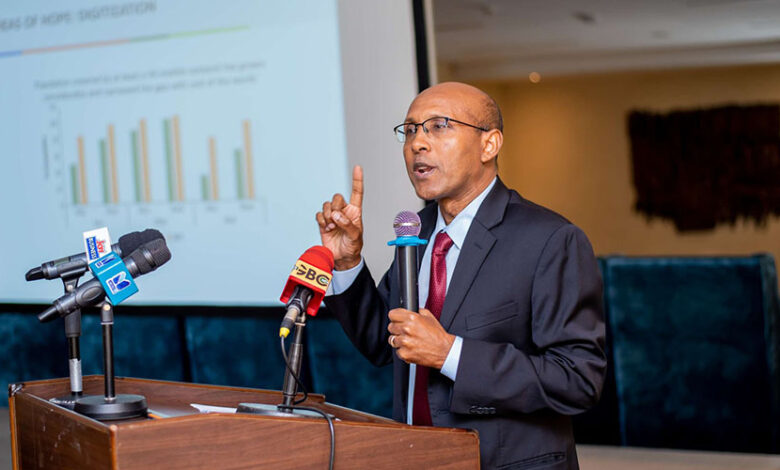
– To combat poverty in Ghana, Sub-Saharan Africa-World Bank
Story: Isaac AIDOO, Accra
CHIEF Economist for Africa at the World Bank, Andrew Dabalen, has, in the latest edition of the Africa Pulse Report, underscored the urgent need for transformative investments in education and skills development as essential drivers to combat poverty in Ghana and across Sub-Saharan Africa.
The report, titled ‘Transforming Education for Inclusive Growth,’ points to significant gaps in educational attainment and resources, calling for a strategic focus on early childhood education, foundational literacy and numeracy skills, and targeted vocational training programmes to lift millions out of poverty.
Across the globe, higher educational attainment correlates strongly with lower poverty rates. Data from the World Bank’s Poverty, Prosperity, and Planet Report 2024 highlights that globally, only 3% of people with higher education live in extreme poverty, compared to one-fifth of those without formal education.
For Sub-Saharan Africa, the region with the highest global poverty rates, the challenge is even more pronounced. The Africa Pulse Report reveals that almost 9 in 10 children in Sub-Saharan Africa cannot read by age 10, and 60% of the poorest adolescents remain out of school.
Ghana, like its neighbours, faces a pressing need for investment in early learning resources and skills programmes that are aligned with economic needs.
According to the report, every additional year of schooling increases incomes in Sub-Saharan Africa by 12.4%, with even higher gains for women, who experience a 14.5% income boost with each additional year of education.
For Ghana, this indicates that targeted education interventions could provide not only higher incomes but also broader economic stability and growth.
Currently, many educational institutions across Africa lack essential resources, including textbooks and technology, and suffer from insufficient teacher training.
Despite recent increases in spending on education, African countries still spend an average of only $54 per student per year, compared to approximately $8,500 per student in high-income nations.
Such disparities have a direct impact on productivity; the report’s Human Capital Index reveals that African students achieve only 40% of the productivity potential of their counterparts globally.
The World Bank recommends a three-part approach to tackle these challenges:
- Investing in Foundational Learning: Universal early childhood education and proficiency in literacy and numeracy are essential starting points. Additionally, the report emphasizes the importance of keeping adolescent girls in school, as their education has multiplier effects on poverty reduction and community welfare.
- Developing Relevant Skills: The report calls for skills development programs that are directly linked to local economic needs, ensuring students gain practical, job-relevant skills that can immediately benefit their communities and drive economic growth.
- Facilitating Education-to-Employment Transitions: With Africa’s working-age population projected to double by 2050, efficient transitions from education to employment are critical. Technical and vocational education programs can prepare the continent’s youth to adopt and implement new technologies, thereby enhancing productivity.
The World Bank report highlights that effective implementation of these measures could boost regional GDP by up to 15% by 2030, providing a viable path to lift as many as 60 million Africans out of poverty. For Ghana, this presents an opportunity to leverage education and skills training as powerful tools to reduce poverty, build human capital, and set the foundation for long-term economic growth.