Bawumia Unveils 17-Point Strategy
– To reinvigorate private sector & promote economic transformation
Story: Abdulai SAAKA, Accra
VICE-PRESIDENT and New Patriotic Party (NPP) flagbearer, Dr. Mahamudu Bawumia, has presented a comprehensive 17-point strategy aimed at reinvigorating Ghana’s private sector and promoting economic transformation.
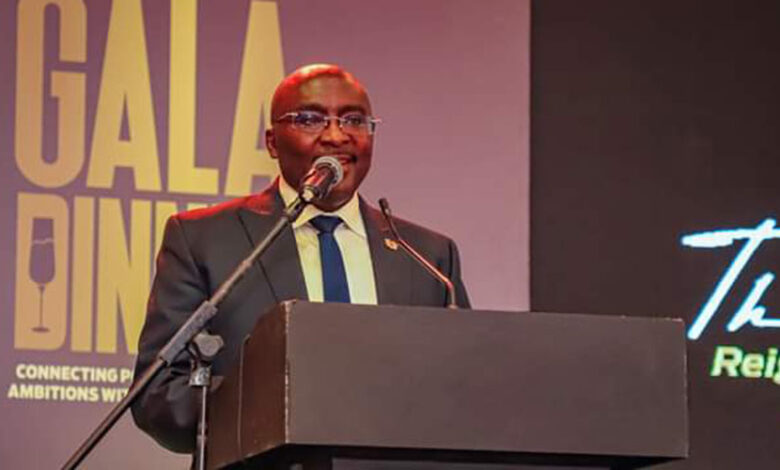
Speaking at the inaugural Ghana CEO-Presidential Gala Dinner attended by prominent CEOs and private sector leaders in Accra, Dr. Bawumia highlighted the private sector’s essential role in national growth and assured his commitment to creating a business-friendly environment.
Tax Amnesty
To start, Dr. Bawumia proposed a sweeping tax amnesty that would forgive unpaid taxes, penalties, and interest for businesses and individuals who had previously failed to file taxes. He explained that this initiative aims to free up resources for reinvestment in business expansion and job creation, effectively giving businesses a second chance to thrive without the weight of historical tax burdens.

Introduction of a Flat Tax Rate
Following this amnesty, Dr. Bawumia suggested simplifying Ghana’s tax system by implementing a flat tax rate on income for both businesses and individuals. With exemption thresholds to protect low-income earners, this system would reduce the complexities and bureaucracies often associated with tax compliance, making it easier for businesses to operate within the formal economy.
Digitalization of Tax Filing
Further promoting efficiency, the Vice President outlined a shift to a fully electronic tax filing system. By eliminating manual processes, this digitalization would curb corruption, enhance transparency, and create a fairer tax administration. “Faceless” tax assessments would ensure that businesses face less human interference, while making compliance more straightforward and accessible.
Empowerment of Private Sector in Public Infrastructure
To boost private sector participation in public infrastructure, Dr. Bawumia introduced a “lease-to-own” model. This system would allow private firms to finance and construct infrastructure projects—such as roads, hospitals, and schools—with the government acting as the lessee. This approach, he argued, would ease the financial load on government while giving private enterprises a role in developing critical national assets.
Increase in Public-Private Partnerships (PPPs)
Building on the lease-to-own proposal, Dr. Bawumia proposed expanding Public-Private Partnerships (PPPs) to fund essential public services including housing, water, roads, and schools. This collaborative model would leverage private sector resources to meet public needs, fostering a deeper integration of private enterprises in national development.

Redirection of Government Expenditure to Private Sector
As part of his fiscal strategy, the Vice President announced a plan to reduce government spending by 3% of Ghana’s GDP and redirect approximately ₵30 billion toward private sector-led projects. He emphasized that this reallocation would create business opportunities across industries and stimulate job growth, making the private sector a central force in driving economic activity.
“Buy Ghana First” Policy
To support local businesses, Dr. Bawumia presented the “Buy Ghana First” initiative, which would prioritize the procurement of goods and services from Ghanaian producers for all public sector purchases. This policy leverages government purchasing power to strengthen local businesses and create a multiplier effect that boosts economic resilience and fosters home-grown industries.
Establishment of an SME Bank
In a bid to tackle one of the biggest challenges facing small and medium-sized enterprises (SMEs), Dr. Bawumia proposed establishing an SME Bank. The institution would offer tailored financial products to support Ghana’s SMEs, which employ over 80% of the population, including a substantial number of women. By addressing their specific needs, the bank would help sustain the backbone of Ghana’s economy.
Women’s Trade Empowerment Fund
Dr. Bawumia further emphasized the role of women in business by introducing a Women’s Trade Empowerment Fund. This fund would provide capital for women-owned businesses, giving female entrepreneurs the financial flexibility to expand their operations. Recognizing the importance of inclusivity, Dr. Bawumia asserted that empowering women entrepreneurs would have ripple effects throughout the economy.

Investment Tax Credits for Start-Ups
Encouraging innovation and entrepreneurship, Dr. Bawumia proposed Investment Tax Credits for start-ups during their first three years of operation. This measure would allow new businesses to reinvest their savings back into growth initiatives, fostering a climate where start-ups can flourish and contribute to economic dynamism.
Reduction of Industrial Electricity Costs
Addressing the high cost of industrial electricity, Dr. Bawumia outlined a plan to make industrial electricity rates equal to, or even lower than, residential rates. This adjustment would reduce operational costs for businesses and enhance Ghana’s competitiveness in regional and global markets.
Introduction of a Flat Rate System for Import Duties
Complementing these domestic policies, the Vice President proposed a simplified flat rate system for import duties. This measure would ease the customs process, reduce import costs, and provide importers with a predictable cost structure, making trade with Ghana more attractive and less complicated.
Reduction in Port Charges
Dr. Bawumia also aimed to make Ghana’s port charges competitive with those of regional ports, such as Lomé in Togo. Lowering port charges, he argued, would make Ghana more attractive to businesses, reduce trade costs, and boost local economic activity by making imports and exports more feasible for smaller businesses.

MyCredit Score – Individualized Credit Scoring
In a bid to boost access to credit, Dr. Bawumia introduced the “MyCredit Score” initiative, which would provide Ghanaians with individualized credit scores. This system would help citizens build credit histories and expand access to financing through a “buy now, pay later” model, encouraging local spending and supporting businesses with a larger, credit-backed customer base.
Establishment of a Fintech Fund
Recognizing the role of technology in modern economies, Dr. Bawumia announced a $100 million Fintech Fund designed to attract private investment and support Ghanaian startups in financial technology. This initiative would promote digital innovation in payment systems and position Ghana as a leader in fintech within Africa.
Venture Funding for Tech Startups
In addition, Dr. Bawumia pledged government-backed venture funding and grants for Ghanaian tech startups. This support would help these businesses develop cutting-edge solutions, create jobs, and foster a high-tech economy that attracts talent and investment from across the region.
Digitalization of Land Titling and Registration
Rounding out his strategy, the Vice President committed to completing digital land titling and registration to enable property owners to use their assets as collateral. This initiative would provide businesses with greater access to capital, enabling them to grow and expand using assets they already own.
A Vision for Sustainable Digital Growth
As he concluded, Dr. Bawumia presented his vision for a digitally transformed Ghana powered by investments in technology, accountability, and private-sector collaboration. He stressed the importance of eliminating the digital divide, aiming for near-universal internet access by 2028 and equipping over a million young Ghanaians with skills in areas like software development and coding. Reflecting on Ghana’s economic history, Dr. Bawumia underscored the critical role of trust and accountability in fostering a healthy economy. Announcing plans to enhance anti-corruption efforts through a blockchain-based government platform, he aimed to bring greater transparency to public transactions. The Vice President emphasized his commitment to regular consultations with the business community to ensure policies remain aligned with their needs, stating, “The people in the business community know it better than the politicians.”