Inflationary pressures in Ghana and Nigeria to hamper economic growth – Deloitte
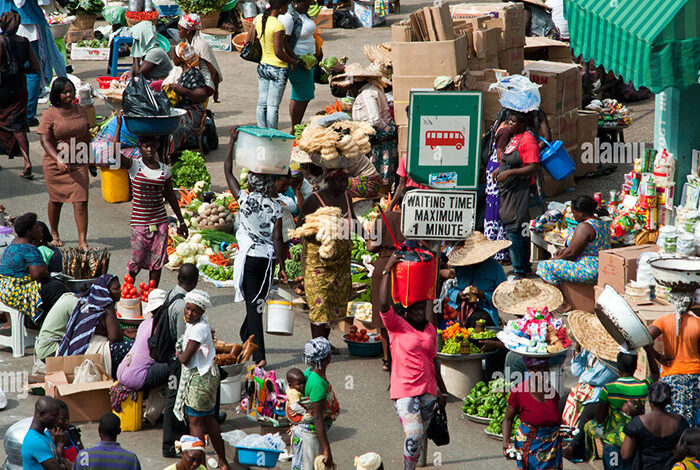
Professional services firm Deloitte has cautioned that persistent inflation in Ghana and Nigeria poses a significant threat to economic growth, with businesses grappling with rising operational costs and consumers reducing spending.
Deloitte highlighted that Ghana and Nigeria are experiencing inflationary pressures from food price volatility, exchange rate instability, and global commodity price trends. This economic strain has led to policy responses aimed at curbing inflation, with the Bank of Ghana expected to maintain its tight monetary stance and consider further rate hikes if inflation continues its upward trajectory.
Ghana’s Inflation Trends
Ghana’s inflation surged to 23.8% in December 2024, driven primarily by rising food prices. This marked the fourth consecutive month of inflation increases, reflecting the broader economic challenges the country faces.
The latest figure adds to Ghana’s recent history of battling inflation. In 2023, inflation reached a peak of 54.1% in December—the highest in over two decades—before gradually declining in 2024 due to aggressive monetary policy tightening by the Bank of Ghana. However, despite this progress, inflationary pressures remain elevated, complicating economic recovery efforts.
Nigeria’s Inflation Challenges
In Nigeria, headline inflation soared to 34.8% in December 2024, driven by festive-season spending and ongoing structural issues in the economy. Deloitte anticipates continued monetary tightening in Nigeria, as policymakers strive to stabilize prices and preserve purchasing power.
Regional Outlook for 2025
Deloitte predicts that inflationary pressures will persist in Ghana and Nigeria in 2025, largely due to structural factors such as volatile food prices and currency depreciation. The Economist Intelligence Unit (EIU) forecasts an average inflation rate of 15.5% for Ghana and 27.7% for Nigeria in 2025, signaling a modest improvement compared to the highs of 2023 but still above desired levels.
The EIU also noted that inflationary pressures are expected to ease across most African countries in 2025, with exceptions such as Angola, Seychelles, Sudan, and Tanzania, where unique domestic factors could keep inflation elevated.
Impact on Businesses and Consumers
In Ghana, businesses are contending with higher production costs, particularly in the agriculture and manufacturing sectors, as food prices and imported raw materials become increasingly expensive. Consumers, in turn, are cutting back on discretionary spending, further straining businesses and reducing overall economic activity.
Policy Implications
The Bank of Ghana’s tight monetary policy stance, which includes maintaining a high policy rate of 30%, has been instrumental in reducing inflation from its 2023 peak. However, with the recent uptick in inflation, there is a likelihood of further rate adjustments to contain price pressures. This approach, while necessary to stabilize the economy, could limit credit availability and dampen growth prospects in the short term.
Conclusion Inflation remains a formidable challenge for Ghana and Nigeria, requiring coordinated policy responses to stabilize prices and support economic growth. For Ghana, maintaining progress in reducing inflation while addressing structural economic issues will be crucial to fostering a sustainable recovery and creating a conducive environment for businesses and consumers alike.