

Ghana’s Parliament passes Environmental Protection Bill
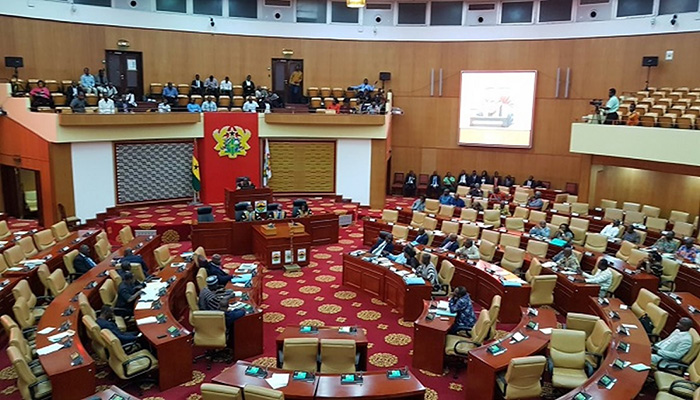
Ghana’s Parliament has demonstrated its commitment to environmental sustainability by passing the Environmental Protection Bill.
The landmark legislation, approved during a parliamentary session on Thursday, January 2, aims to address critical environmental challenges while promoting sustainable practices across the country.
The 2nd Deputy Speaker, Andrew Asiamah, presided over the session and officially announced the bill’s passage after its third reading. The bipartisan support it received underscores the collective resolve of lawmakers to safeguard Ghana’s natural resources for the benefit of current and future generations.
The Environmental Protection Bill introduces a comprehensive framework to tackle issues such as industrial emissions, waste management, deforestation, and the country’s transition to renewable energy. By setting stricter regulations on industrial activities, the bill seeks to curb pollution while encouraging industries to adopt environmentally friendly technologies.
Furthermore, the legislation emphasizes waste management reforms aimed at reducing indiscriminate disposal and fostering recycling initiatives. It also includes measures to combat deforestation by strengthening policies on forest conservation and promoting tree-planting projects.
An important highlight of the bill is its focus on renewable energy, aimed at reducing the country’s reliance on fossil fuels. The framework encourages businesses and individuals to invest in cleaner energy sources, creating an enabling environment for sustainable energy development.
The passage of the Environmental Protection Bill marks a significant milestone in Ghana’s environmental policy landscape. With this legislation, the nation is poised to make strides in mitigating the impact of climate change, conserving biodiversity, and fostering sustainable economic growth. As implementation begins, stakeholders anticipate that the bill will provide a strong foundation for integrating environmental considerations into all facets of national development, ensuring a greener and more resilient future for Ghana



