Gold reserves: Good show, BoG
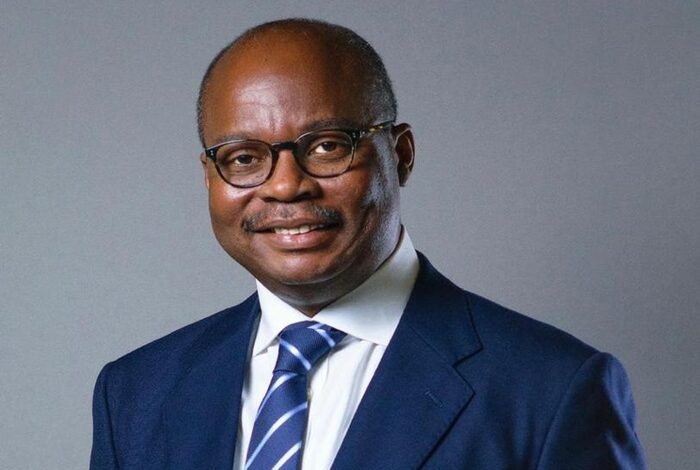
GHANA’S ascent to becoming the 5th largest holder of central bank gold reserves in Africa is a testament to the country’s strategic efforts to strengthen its monetary framework and ensure economic stability.
With 28.1 tonnes of gold reserves, accounting for 41.2% of its total reserves, Ghana’s proactive accumulation strategy signals a commitment to securing its financial future amid global economic uncertainties.
Gold has long been a symbol of wealth and stability, offering countries a reliable safeguard against currency fluctuations, inflation, and geopolitical risks. Ghana’s sharp increase in reserves, from under 9 tonnes in May 2023 to over 28 tonnes today, highlights a deliberate approach by the Bank of Ghana (BoG) to bolster the nation’s economic resilience.
By tapping into its rich domestic gold resources, Ghana is not only leveraging its status as one of Africa’s largest gold producers but also aligning itself with a global trend of central banks increasing their gold holdings.
While Ghana’s reserves place it behind Algeria, Libya, Egypt, and South Africa in Africa, it is important to recognize that these leading countries have historically held substantial gold reserves.
Globally, giants like the United States (8,133.5 tonnes) and Germany (3,351.5 tonnes) dominate, underscoring the vast disparities in gold reserve holdings. Nonetheless, Ghana’s achievement of 5th place in Africa is a significant milestone, signalling its growing influence on the continent’s economic landscape.
The benefits of a robust gold reserve extend beyond mere rankings. Gold serves as a hedge against external shocks, providing stability during economic downturns or currency depreciations.
With rising global inflation and persistent market volatility, the BoG’s strategy to expand reserves positions Ghana to better weather future crises. This move also enhances investor confidence, showcasing the country’s prudent fiscal management.
Moreover, the decision to increase reserves underscores the potential for gold to be a cornerstone of Ghana’s economic policy. It paves the way for further investments in the mining sector, fostering job creation and revenue generation.
By integrating gold into its broader economic strategy, Ghana can capitalize on its natural resources to drive long-term growth.
While Ghana’s progress is commendable, there is still room for improvement. Compared to Africa’s leaders, Ghana’s reserves remain relatively modest. The government must prioritize policies that enhance gold production and ensure transparency in resource management.
Collaboration with stakeholders in the mining industry, coupled with innovative financing models, could further accelerate reserve accumulation.
Additionally, maintaining public confidence in the BoG’s policies is critical. Transparent communication about the rationale behind gold purchases and their long-term benefits will help garner public and private sector support.
Ghana’s rise as the 5th largest holder of central bank gold reserves in Africa is a significant achievement, reflecting sound economic planning and a commitment to stability. However, this milestone should serve as a springboard for even greater ambitions. By continuing to expand its reserves and integrating gold into its broader economic strategy, Ghana has the opportunity to cement its position as a leader in economic resilience, not only in Africa but on the global stage.