Ghana’s high rice imports linked to policy failures — US Agric Dept
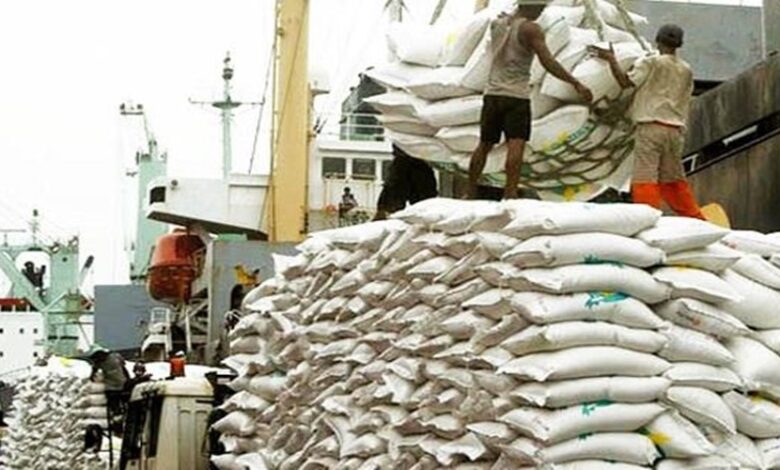
The United States Department of Agriculture (USDA) has linked Ghana’s rising dependence on imported rice to structural policy failures and weak support systems for local farmers, despite a projected increase in domestic output for the 2025/2026 season.
According to the USDA’s Grain and Feed 2025 Report, Ghana’s milled rice production is expected to reach 900,000 metric tonnes, an 18 percent increase over the previous year, thanks to favourable weather conditions and improved farmer participation.
However, the report warns that forecasts of “normal-to-below-normal rainfall and longer dry spells” by the Ghana Meteorological Agency could undermine sustainability.
Price trends reflect the strain in the sector. Between March 2024 and January 2025, the average price of a 100kg bag of rice surged from GHS200 to GHS650, representing a 225 percent increase.
Although prices later fell to GHS400 by March 2025, they still remained twice as high as the previous year.
Millers explained that poor-quality paddy rice with low moisture content breaks easily during milling, lowering market value and supply.
Despite production gains, demand continues to outpace output. Consumption is projected to hit 1.80 million metric tonnes in 2025/2026, up from 1.75 million metric tonnes the year before, driven by population growth and shifting urban diets.
Imports are forecast to reach 1.0 million metric tonnes, covering more than half of national demand.
The USDA report notes that Ghanaian consumers overwhelmingly prefer fragrant long-grain rice, mainly imported from Vietnam, India and Thailand.
As of early 2025, a 25kg bag of Thai fragrant rice sold for GHS690, Vietnamese rice for GHS490, while local long-grain rice averaged GHS535. With imports often cheaper and better processed, they remain more attractive to households.
Currently, 70 percent of rice sold in Ghana is imported, with U.S. rice exports losing market share to more competitive Asian suppliers.
The report warns that unless bottlenecks such as poor irrigation, low mechanisation and weak processing capacity are addressed, Ghana will remain import-dependent and vulnerable to global price shocks and currency depreciation.
Government interventions, including efforts to promote local rice through the National School Feeding Programme, have had limited impact due to quality concerns, irregular supply and distribution inefficiencies.
Rice is now Ghana’s second most important cereal after maize, with per capita consumption reaching 51kg. Yet, the USDA cautions that without bold reforms, rising imports will continue to undermine Ghana’s food security and increase exposure to external market pressures.