Is India’s Economic Growth Losing Momentum?
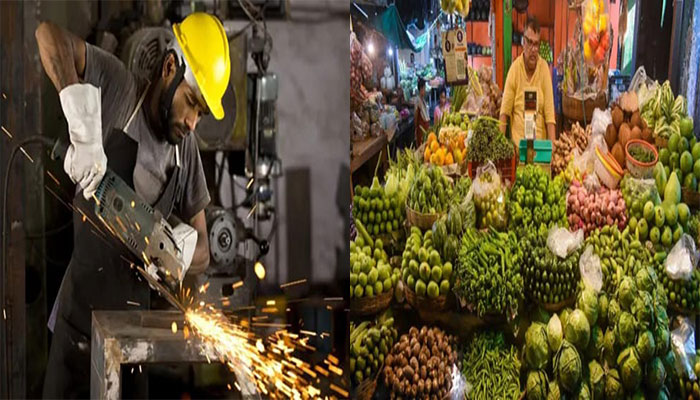
India, the world’s fastest-growing major economy, is facing signs of slowing momentum. The latest GDP figures reveal a growth rate of 5.4% for the July-September quarter, the lowest in seven quarters and significantly below the Reserve Bank of India’s (RBI) forecast of 7%. While the figure remains impressive compared to developed economies, it underscores a gradual slowdown in India’s economic trajectory.
Key Drivers of the Slowdown
Economists attribute the dip to several interrelated factors:
- Weak Consumer Demand: Fast-moving consumer goods (FMCG) companies report sluggish sales, while urban wage growth remains stagnant.
- Sluggish Private Investment: India has struggled for years to attract robust private investments, a key driver of job creation and economic growth.
- Pullback in Government Spending: Once a cornerstone of India’s growth strategy, government expenditure has been scaled back, particularly during an election-focused quarter.
- Global Challenges: India’s goods exports remain underwhelming, with a global share of just 2% in 2023, further limiting growth prospects.
Adding to these concerns is a high inflation rate, which surged to 6.2% in October, exceeding the RBI’s target ceiling of 4%. Driven largely by food prices—vegetable prices alone rose by over 40%—inflation has begun spilling over into other areas, contributing to core inflationary pressures.
Debate Over Interest Rates
The RBI’s policy of maintaining high interest rates to combat inflation has sparked debate. While some argue that restrictive rates stifle growth by making borrowing costlier for businesses and consumers, others point out that lower rates alone won’t spur growth without strong consumption demand.
“Investors borrow and invest only when demand exists, and that’s not the case now,” says Himanshu, a development economist at Jawaharlal Nehru University.
Uneven Growth Trajectory
India’s economy appears to be operating on a “two-speed trajectory,” according to Rajeshwari Sengupta, an economist at the Indira Gandhi Institute of Development Research.
- The Old Economy: Traditional sectors, including agriculture, small-scale industries, and informal enterprises, continue to lag, awaiting long-overdue structural reforms.
- The New Economy: Fueled by the post-pandemic boom in services exports, India has emerged as a global hub for high-end offshore services through Global Capability Centres (GCCs). These centres have driven urban consumption, but the effects are waning as the sector matures.
This dual-speed dynamic highlights the need for a growth catalyst in the old economy while sustaining momentum in the new economy.
A Vicious Cycle
The interplay between weak consumption demand and limited private investment has created a vicious cycle. Without strong demand, businesses are hesitant to invest. In turn, the lack of investment restricts job creation and income growth, further dampening consumption demand.
Trade Policies and Global Competitiveness
India’s rising average tariffs—from 5% in 2013-14 to 17% today—add another layer of complexity. These higher tariffs make Indian goods less competitive in global markets, complicating efforts to integrate into global value chains.
Optimism Amid Challenges
Finance Minister Nirmala Sitharaman maintains that the slowdown is not systemic, attributing it to temporary factors like reduced government spending. She expects growth to rebound in the coming quarters, positioning India to remain the fastest-growing major economy despite challenges such as global economic headwinds, stagnant wages, and climate-induced agricultural disruptions.
RBI Governor Shaktikanta Das echoed this optimism, stating that India’s “growth story remains intact” and that the central bank has struck a balance between inflation control and growth.
The Road Ahead
India’s economic challenges require bold and coordinated action. Structural reforms in the old economy, policies to boost private investment, and measures to address demand stagnation are essential to revitalize growth. At the same time, India must recalibrate its trade policies to strengthen its global competitiveness. While the immediate outlook suggests caution, India’s long-term growth potential remains strong. By addressing systemic bottlenecks and fostering a balanced approach to development, the country can sustain its position as a global economic powerhouse.