

ACEP calls for urgent reforms in Ghana’s energy sector
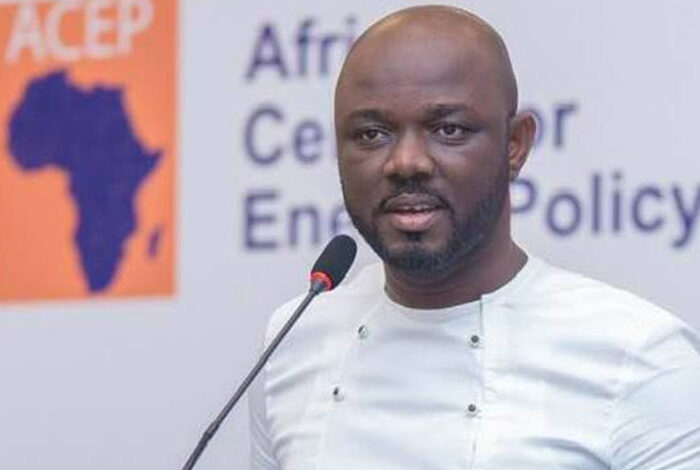
Benjamin Boakye, the Executive Director of the Africa Centre for Energy Policy (ACEP), has raised serious concerns about the state of Ghana’s energy sector, describing it as being “systematically decimated” due to years of mismanagement and inefficiencies.
In an open letter to President-elect John Mahama, Boakye outlined several critical challenges within the sector, urging immediate action to avert further economic destabilization.
“The energy sector has been systematically decimated, enriching a few while the public bears the burden through the budget, levies, and high margins,” Boakye wrote, emphasizing the urgency of reform.
Boakye revealed that the energy sector wastes more than GH¢50 billion annually—an amount far exceeding the country’s annual oil revenue—posing a significant threat to Ghana’s economic stability.
He explained that the sector’s inefficiencies are compounded by a bloated structure of energy agencies and companies, many of which are now 4-5 times larger than necessary for their tasks. This overstaffing, largely driven by political appointments, has led to the creation of redundant directorates and institutions, adding an unnecessary financial burden on the public.
A key concern raised by Boakye is the deteriorating state of the Electricity Company of Ghana (ECG), which he described as a major drain on the national budget. “Politicians have mismanaged it to the point where it has become the single largest dependent on the national budget,” Boakye said, lamenting the lack of effective governance and accountability within the state-owned company.
Further compounding the issue, Boakye pointed to procurement abuses and exchange rate manipulations that have destabilized the upstream oil and gas sector. He noted that these practices have left gas payments to investors in limbo, further threatening the sector’s stability.
Boakye also highlighted inefficiencies in the downstream petroleum sector, where inflated margins are being imposed on the public to sustain political interests. He referred to this as the “black tax,” identifying more than GH¢6 billion being diverted in this manner—money that could otherwise be used to address critical development needs across the country.
The ACEP Director warned of the declining state of the upstream oil and gas sector, urging immediate reforms to restore investor confidence. He stressed that without decisive action, Ghana risks losing significant investment in this key sector. “We are witnessing its decline unfold before our eyes,” Boakye remarked. However, he suggested that with strategic action, Ghana could unlock $2 billion in investments by 2025, part of a potential $6 billion in the medium term. Boakye called for what he referred to as a “surgical examination” of the energy sector, urging President-elect Mahama to take swift and decisive action to restore order and efficiency to the sector. The time for change, he warned, is now.



