Call for sustainable practices in mining transition minerals
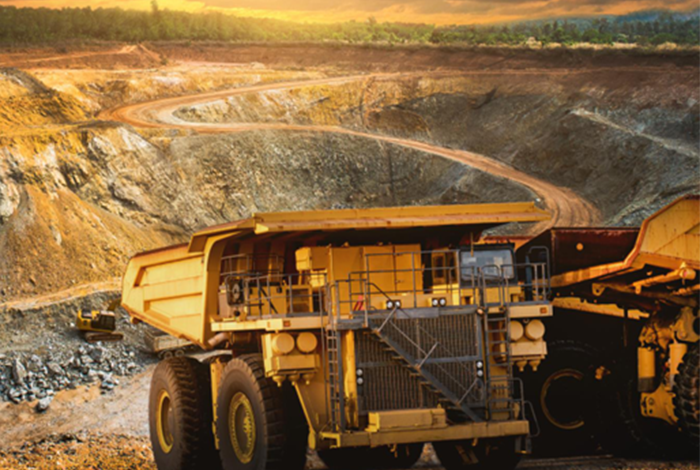
THE promise of a cleaner energy future rests heavily on the extraction of transition minerals like lithium, cobalt, and copper — resources pivotal for renewable energy technologies.
Yet, as the world accelerates its green agenda, the stark realities of mining’s environmental and social costs demand urgent attention, especially in resource-rich countries like Ghana.
At the heart of this dilemma lies a delicate balance: leveraging mineral wealth for economic growth while safeguarding communities and ecosystems from exploitation and degradation.
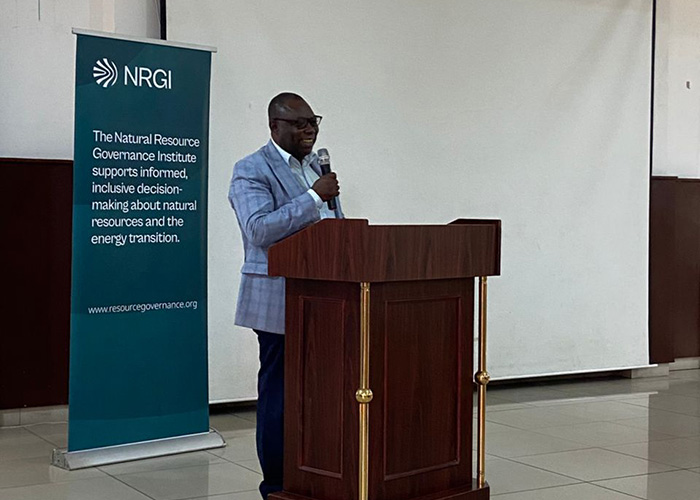
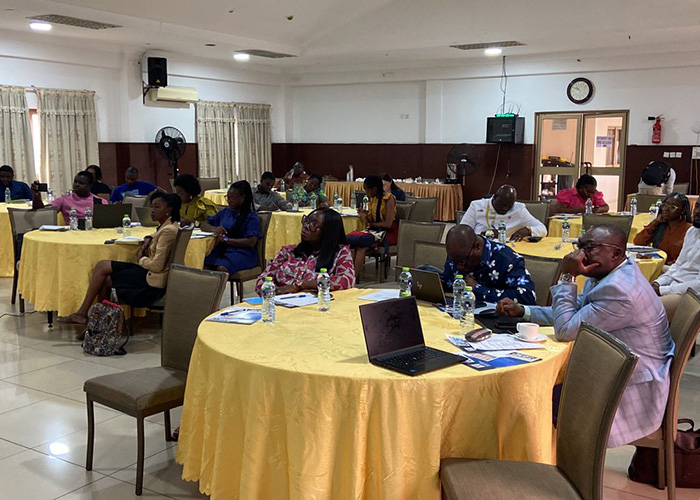
As highlighted by the Natural Resource Governance Institute (NRGI) during a workshop in Accra, achieving this balance requires strong governance, community inclusion, and adherence to sustainability standards.
The Risks Are Real
The statistics are sobering. Nearly 40% of critical mineral reserves exist in countries with weak governance systems, where sustainable practices are far from guaranteed. Alarmingly, over half of these reserves are located on lands belonging to Indigenous or peasant communities, whose rights are often overlooked or outright violated.
Ghana’s struggles with illegal mining, or galamsey, provide a cautionary tale. Over 60% of the country’s water bodies have been polluted, 38 forest reserves have been destroyed, and local ecosystems face irreversible damage.
Mining activities, though essential, are water-intensive and energy-heavy, contributing to biodiversity loss, water scarcity, and even greenhouse gas emissions.
The Case for Action
The stakes could not be higher. For Ghana and other resource-rich nations, this is a critical juncture. The path forward must involve:
- Strengthening Regulations: Laws governing mining activities must be stringent and their enforcement uncompromising. Anything less invites environmental degradation and human rights abuses.
- Empowering Communities: Indigenous and local communities must have a seat at the table. Their voices and rights are crucial to ensuring sustainable and equitable mining practices.
- Enforcing Accountability: Binding mechanisms must hold mining corporations accountable for their impacts on ecosystems and local populations. Governments cannot afford to shirk this responsibility.
- Fostering Collaboration: Sustainable mining is a shared responsibility. Governments, corporations, and civil society must work together to establish a transparent and ethical supply chain.
Ghana’s Opportunity to Lead
Ghana has the potential to be a model for sustainable mining. By adopting best practices and prioritizing long-term environmental stewardship, the country can reap the economic benefits of its mineral wealth without sacrificing its natural heritage or marginalizing its people.
As NRGI’s Economic Analyst, David Sefa Adjei, aptly noted, collaboration is key. Ghana must engage all stakeholders — communities, industry players, and policymakers — in creating a framework that values both profit and preservation.
The world’s transition to clean energy should not come at the expense of its most vulnerable communities or precious ecosystems. Ghana, and indeed all nations with transition minerals, must act decisively to ensure this shift is both equitable and sustainable. The time for change is now.