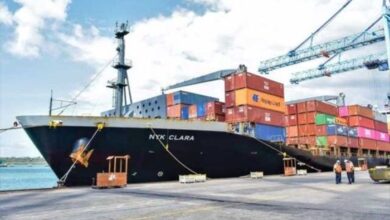
Ghana records trade surplus of GH₵3.9bn in Q3 of 2024

Ghana’s trade balance showed a remarkable turnaround in the third quarter of 2024, with a trade surplus of GH₵3.9 billion, according to the latest data from the Ghana Statistical Service (GSS). This is a significant improvement over the same period in 2023, when the country recorded a trade deficit of GH₵2.3 billion.
Strong export growth
Exports in the third quarter of 2024 totalled GH₵74.8 billion, up from GH₵60.3 billion in the previous year, reflecting a healthy rise in trade activity. This growth was propelled by an increase in the value of key export commodities, especially gold. Ghana’s total exports in US dollar terms amounted to US$4.9 billion, driven by strong performance in mineral resources, crude oil, and agricultural products.
Gold bullion emerged as the leading export product in Q3 2024, valued at GH₵46.5 billion. This accounted for 62.1% of the total export value for the period, up from 42.5% in the same quarter in 2023. The increase in gold’s share of exports is a noteworthy trend, as it highlights the continued importance of the mining sector to Ghana’s economy. Crude petroleum followed as the second-largest export, valued at GH₵11.6 billion.
Other key exports include cocoa paste, manganese ores, and tuna, which together made up 83.2% of total exports. While the export value of gold saw a marked increase, the share of cocoa beans and products declined slightly, from 4.8% to 4.6% year on year.
Imports and decline in mineral fuels
Imports in the third quarter of 2024 totalled GH₵70.9 billion, down from GH₵62.6 billion in the previous quarter. This decline in imports helped boost the overall trade balance. Imports in US dollar terms stood at US$4.7 billion, with the largest share coming from mineral fuels and oils, which together accounted for 22.3% of the total imports. Gas oil led the category, with a value of GH₵7.0 billion.
Cereal grains, which have typically been a significant import for Ghana, represented just 1.7% of total imports in Q3 2024. In contrast, machinery and electrical equipment accounted for 16.3% of imports, underscoring the country’s ongoing investments in infrastructure and industrial capacity.
Export-import concentration and economic outlook
The data reflects a shift in Ghana’s trade dynamics, with exports becoming more concentrated. The top five export products now account for a significant 83.2% of total exports, compared to just 24.8% for imports. This concentration indicates that Ghana’s export sector remains reliant on a few key products, particularly gold, which has dominated the export landscape in 2024.
While the reduction in imports has helped improve the trade balance, the concentration of both exports and imports in specific sectors highlights the vulnerability of Ghana’s trade to fluctuations in global commodity prices, particularly gold and petroleum.
The trade surplus recorded in Q3 2024 is a promising sign for the Ghanaian economy, especially as the country has historically faced challenges in achieving a positive trade balance. The shift from a trade deficit to a surplus, driven by stronger exports and moderated imports, provides a positive economic outlook for the rest of the year.
However, continued focus on diversifying exports and reducing dependency on imports will be crucial for maintaining this trend. The government may also need to monitor fluctuations in global commodity prices, particularly in gold and petroleum, to ensure that the positive trade surplus is sustainable in the long run. Ghana’s improved trade balance is a testament to the resilience of key sectors, particularly gold, and offers hope for economic stabilization despite the global economic challenges faced by many nations.