Uniqlo CEO denies use of Xinjiang cotton amid rising global scrutiny
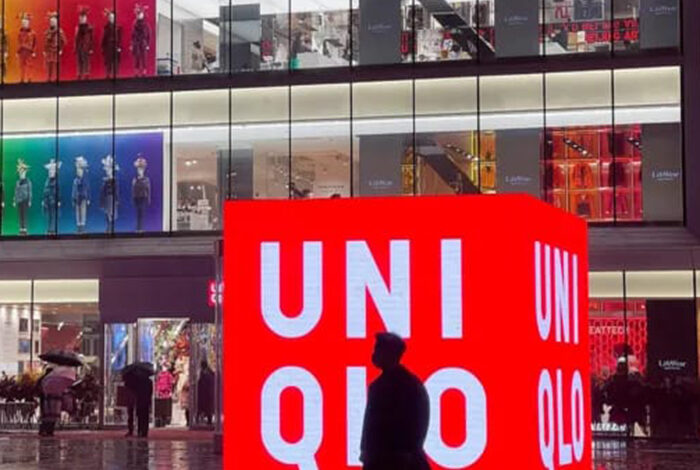
Tadashi Yanai, CEO of Fast Retailing, the parent company of Uniqlo, has publicly denied the use of cotton from China’s Xinjiang region in the brand’s products. This marks the first time Mr. Yanai, Japan’s richest man, has directly addressed the issue, which has subjected global fashion brands to intense scrutiny amid allegations of forced labor involving Uyghur Muslims in the region.
Xinjiang cotton, once celebrated for its superior quality, has faced widespread rejection following reports linking its production to human rights abuses. The U.S. implemented stringent regulations in 2022, banning imports of goods from Xinjiang, prompting global brands like H&M, Nike, and Adidas to sever ties with the region. This led to fierce backlash in China, with several companies facing boycotts and removals from major e-commerce platforms. During that period, Mr. Yanai opted for neutrality, refusing to confirm or deny Uniqlo’s involvement with Xinjiang cotton, a stance that allowed the brand to maintain its popularity in China—a critical market for both retail and manufacturing.
In a recent interview with the BBC, Mr. Yanai confirmed that Uniqlo no longer uses Xinjiang cotton in its products. “We’re not using [cotton from Xinjiang],” he stated. However, he declined to elaborate further, acknowledging the political sensitivities surrounding the topic, saying, “It gets too political if I say anymore, so let’s stop here.” This carefully measured response reflects the complex pressures global companies face, as noted by Isaac Stone Fish, CEO of Strategy Risks: “Both Beijing and Washington want companies to choose sides, and Tokyo will continue to lean closer to the United States in this matter.”
Despite these challenges, China remains central to Uniqlo’s operations. The brand operates more stores in China than in Japan, with plans to expand from around 1,000 stores to 3,000. Additionally, China continues to serve as Uniqlo’s largest manufacturing hub, despite the company’s efforts to diversify production to countries like Vietnam, Bangladesh, and India. Mr. Yanai admitted that replicating China’s efficiency and expertise has been difficult due to decades of infrastructure and knowledge built in the region.
Uniqlo also faces rising competition from ultra-fast fashion brands like Shein and Temu, which appeal to price-conscious consumers. Mr. Yanai criticized the fast fashion model, asserting, “I don’t think there’s a future for fast fashion. They’re producing clothes without any careful consideration which you only wear for one season. That is a waste of the planet’s resources.” Uniqlo’s strategy, in contrast, focuses on durable, essential clothing designed for long-term use, setting it apart from rivals driven by disposable trends.
Under Mr. Yanai’s leadership, Uniqlo has grown from a small family business generating annual sales of 100 million yen ($656,700) to a global retail giant with revenues of 3 trillion yen this year. Now 75, he remains committed to surpassing Zara-owner Inditex as the world’s largest fashion retailer. However, achieving this goal will require Uniqlo to strengthen its presence in Western markets, where consumer awareness of human rights issues and ethical sourcing is increasingly influential. Geopolitical tensions may pose additional challenges to Uniqlo’s ambitions, particularly if former U.S. President Donald Trump returns to office with a promise to impose higher tariffs on Chinese-made goods. As Uniqlo balances its reliance on China with the ethical expectations of its global customer base, the company’s ability to navigate these complexities will be crucial to its continued growth and aspirations for global dominance in the fashion industry.