Sustainable practices, A necessity

THE African Continental Free Trade Area (AfCFTA) represents a transformative opportunity for Ghanaian businesses, offering access to a $3 trillion market.
However, to fully harness this potential, businesses must embrace not just innovation but sustainability.
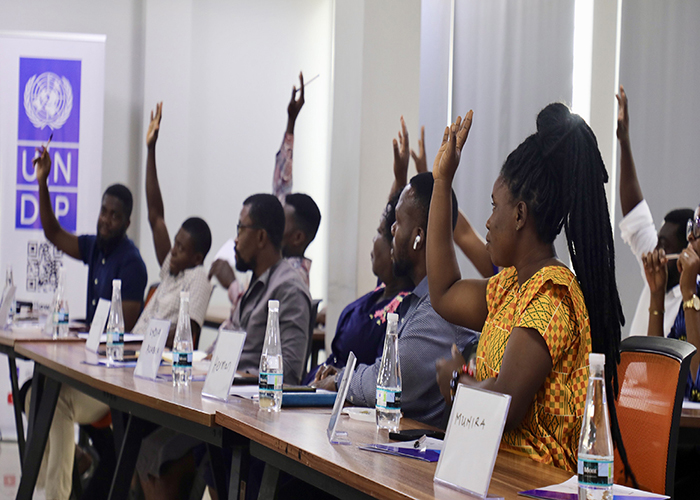
The recent training initiative by the United Nations Development Programme (UNDP), in collaboration with the Environmental Protection Agency (EPA) and the Ghana Export Promotion Agency (GEPA), highlights a critical path forward: integrating eco-friendly practices into business operations, especially for Micro, Small, and Medium-Sized Enterprises (MSMEs).
A Sustainable Advantage for MSMEs
Ghana’s economy is largely driven by MSMEs, with women and youth entrepreneurs playing a significant role. By equipping these enterprises with the tools to adopt environmentally sustainable practices, this initiative positions them to meet the growing demand for green products in international markets.
As Dr. Abdul-Razak Saeed of UNDP Ghana aptly noted, sustainable practices are no longer a choice but a necessity for accessing premium markets and ensuring long-term viability.
Eco-friendly practices do more than reduce environmental footprints—they enhance brand competitiveness and foster resilience in a rapidly evolving global trade environment.
For Ghanaian MSMEs, adopting green production methods and sustainable packaging aligns not only with AfCFTA’s trade regulations but also with global consumer trends favoring environmentally responsible businesses.
Leadership in Green Trade
Ghana’s position as host of the AfCFTA Secretariat comes with a unique responsibility: to lead by example in championing sustainable economic growth. The partnership between UNDP, EPA, and GEPA demonstrates how collaboration can create an ecosystem that balances profitability with environmental stewardship. The training’s focus on Environmental and Social Impact Assessment (ESIA) and Environmental Management Plans (ESMP) is a testament to this vision.
The inclusion of biodegradable packaging solutions and the emphasis on value addition underscore the necessity of aligning local production standards with international market expectations.
Such steps ensure that Ghanaian exports are not only competitive but also environmentally conscious—a key factor for attracting partnerships and bolstering market access.
Empowering Women and Youth Entrepreneurs
With women owning approximately 44% of MSMEs in Ghana, the prioritization of gender inclusivity in this initiative is commendable. By addressing the unique challenges faced by women and youth-led enterprises, this program ensures that no one is left behind in the push for sustainable trade.
The testimonials from participants — who now recognize the value of green practices — underscore the transformative potential of this approach.
As participants like Fresh Gate Enterprise’s CEO, Amuzu Celestine Fafali, noted, green practices are more than an environmental commitment; they represent a strategic advantage in integrating into AfCFTA’s single market.
This mindset shift is crucial for fostering a new generation of entrepreneurs who prioritize sustainability alongside profitability.
The Way Forward
As Ghana takes steps to build a green economy, initiatives like this must be scaled up and sustained. Policymakers should consider providing incentives, such as tax breaks or grants, for businesses adopting sustainable practices.
Additionally, continuous education on AfCFTA regulations and the benefits of eco-friendly operations will empower more MSMEs to capitalize on trade opportunities. AfCFTA is not just about trade; it is about reshaping Africa’s economic landscape. By aligning sustainability with economic goals, Ghanaian businesses can lead the charge in creating a more inclusive and environmentally responsible future.