Nana Asihene highlights challenges in documenting local stories
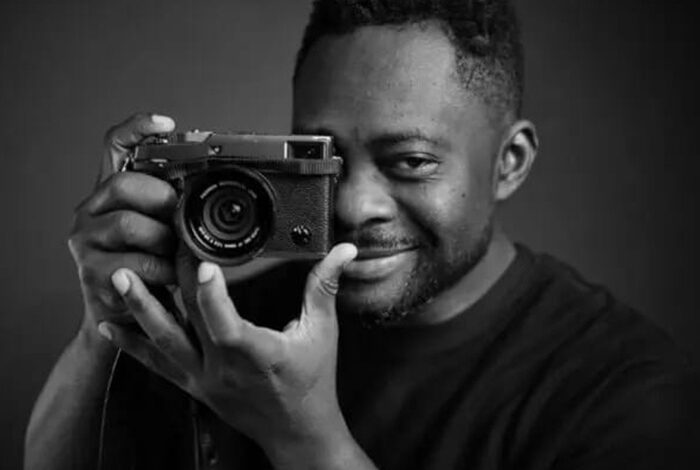
Renowned Ghanaian filmmaker Nana Asihene has shared the hurdles he faced while working on a documentary about the Ghanaian music industry, citing a lack of collaboration and demands for payment from his respondents as key setbacks.
In a recent Facebook post, Nana Asihene revealed that the project was halted because many music practitioners were unwilling to participate unless they were paid.
“We paused development on a documentary about Ghanaian music because the music practitioners were not willing to collaborate. Others were asking for money from us—the very people trying to shine a spotlight on them,” he lamented.
Challenges Extend to Sports Documentary
The filmmaker further disclosed that he is encountering similar difficulties in a new documentary project focused on football. Nana hinted at the possibility of featuring foreign sports personalities instead of Ghanaians due to the resistance faced locally.
“We have started another project that involves football and are facing the same hurdles. We will finish it, God willing, and may even use another country’s football personalities. I hope it doesn’t come to that,” he noted.
Despite the challenges, Nana Asihene vowed to persevere, promising to eventually expose what he described as the “selfish” and “short-sighted” attitudes that hinder creative projects in Ghana.
“Till then, we’ll make MAGIC! Inshallah. So help us God,” he concluded.
Industry Colleagues Share Similar Experiences
In response, fellow filmmaker and music video director David Nicole-Dey empathized with Nana’s plight, recounting his own struggles in producing music documentaries.
“Bro, I tried doing the same thing a few years ago with a slew of shows and music documentaries, investing over 2 million Ghana cedis of my own money. Given the Ghanaian/African attitude, my entire investment was wasted. So I understand your pain; we are our own downfall,” Nicole-Dey wrote.
Broader concerns in Ghana’s creative industry
The lack of compelling documentaries in Ghana’s creative and cultural sectors has been a persistent concern. Many writers and storytellers attribute this to challenges like those faced by Asihene and Nicole-Dey, compounded by insufficient funding and limited institutional support. For the industry to thrive, stakeholders believe there must be greater collaboration, investment, and a cultural shift toward valuing storytelling as a vital tool for preserving and promoting Ghanaian heritage.