

Ghanaian farmers to benefit from GM cowpea innovation
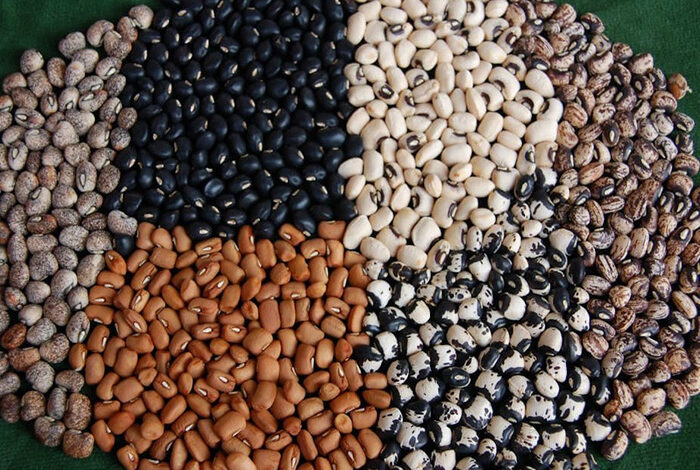
FARMERS in Ghana are set to experience a transformative shift in agricultural productivity with the introduction of genetically modified (GM) pest-resistant cowpea.
The innovation, championed by the Biotechnology and Nuclear Agriculture Research Institute (BNARI) of the Ghana Atomic Energy Commission, promises to significantly reduce pre-harvest crop losses due to insect infestations.
According to Dr. Daniel Osei Ofosu, a Senior Research Scientist at BNARI, the new variety could save up to 80% of cowpea crops, which farmers currently lose in the field before harvest.
“This is an innovation that our farmers have been looking forward to for the last 12 to 13 years that we’ve been carrying out this research,” Dr. Ofosu emphasized. “Without this intervention, our farmers would continue to suffer massive losses that undermine food security and incomes.”
Addressing misconceptions
The Ghana Atomic Energy Commission, in partnership with the Open Forum on Agricultural Biotechnology (OFAB) and the Council for Scientific and Industrial Research (CSIR), has launched a sensitization program to educate stakeholders about the benefits and safety of GM technology.
The initiative aims to clear misconceptions surrounding GM crops, foster acceptance, and encourage collaboration among scientists across various fields.
“We are currently engaging scientists from different disciplines, such as the Animal Research Institute, to explain the benefits of this technology,” Dr. Ofosu noted. “While it is familiar to agricultural scientists, it may be new to animal scientists or others, so broadening understanding is critical.”
A Model for Broader Biotechnological Advances
Dr. Ofosu highlighted the potential for GM technology to extend beyond plants to animals, referencing successful innovations in other countries. For example, genetically modified salmon is commercially available in the United States and Canada, while Japan has developed GM animals for agricultural use.
One noteworthy breakthrough involves hornless cows. “Horns in cows were historically used as a defense mechanism, but they can lead to harm among livestock,” Dr. Ofosu explained. “Through genetic engineering, these cows are bred without horns, promoting harmony in livestock farming without causing harm to the animals themselves.”
Economic and Environmental Impacts
The adoption of pest-resistant cowpea is expected to enhance food security, reduce the use of harmful pesticides, and improve the livelihoods of smallholder farmers. By cutting losses and increasing yields, farmers can achieve better returns on investment, contributing to Ghana’s broader agricultural development goals.
Future Prospects
The success of GM cowpea in Ghana could pave the way for the adoption of other biotechnological innovations. Dr. Ofosu expressed optimism about the potential to explore animal biotechnology in Ghana, leveraging the successes achieved with plants.
“This marks the beginning of a new chapter for agricultural science in Ghana,” Dr. Ofosu said. “With the right collaborations and continued education, we can unlock further advancements to benefit farmers and the nation as a whole.” As the sensitization efforts continue, Ghana’s farmers are being equipped with the knowledge and tools to embrace this groundbreaking innovation, fostering a more resilient and productive agricultural sector.



