German manufacturers grapple with unprecedented economic challenges
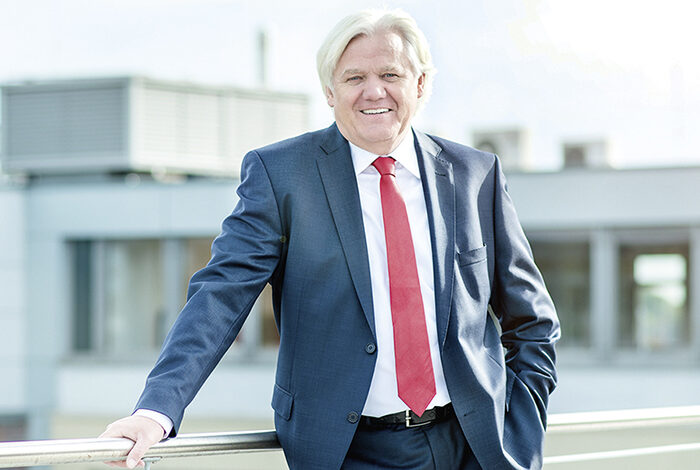
German manufacturers, long celebrated for their resilience and innovation, are facing one of the toughest economic climates in decades. Hans Beckhoff, founder of Beckhoff Automation, describes the current crisis as unparalleled in his 44 years in business.
“This time, it’s a formidable crash—a really deep one,” he said. The family-owned firm, part of Germany’s renowned Mittelstand—small and medium-sized enterprises that form the backbone of the German economy—has built its reputation on producing cutting-edge automation systems for industries ranging from manufacturing to energy.
The Mittelstand’s traditional strength lies in its ability to focus on long-term goals, often resisting the pressures of annual dividends. Yet, the shifting global economic landscape is testing even these robust foundations.
“We’re still doing well, but the economic situation has slowed down considerably,” said Frederike Beckhoff, Hans’ daughter and the company’s corporate development manager. “This year’s results won’t come close to what we achieved over the past three years.”
German manufacturers have been hit hard by several challenges, including soaring energy prices following Russia’s invasion of Ukraine, rising inflation, and intensified competition from China. Domestically, businesses also grapple with aging infrastructure, heavy bureaucratic burdens, and inconsistent government policies.
Political Instability Adds Pressure
Uncertainty has been exacerbated by Germany’s coalition government collapse, with elections scheduled for February 23 and a confidence vote on December 16. U-turns on subsidy programs for heat pumps and electric vehicles have further strained businesses.
“What we really need is reliable decision-making,” said Joachim Ley, CEO of Ziehl-Abegg, a ventilation and engineering systems firm. “Even if you don’t like decisions, you can at least plan. This back-and-forth is a significant burden.”
China’s aggressive export policies and burgeoning car industry have severely impacted German automakers. Exports of Chinese electric vehicles have surged by 1,150% since 2021, while Germany’s car exports grew by only 60% in the same period.
The fallout has been dramatic: Volkswagen reported a 64% drop in third-quarter profits, Mercedes-Benz saw a 54% decline, and BMW has issued profit warnings. Volkswagen, Germany’s largest private-sector employer, is even considering domestic plant closures for the first time in its history, potentially putting tens of thousands of jobs at risk.
To navigate these challenges, German manufacturers are being urged to prioritize productivity and innovation. “The wealth we enjoy here in Germany and Europe can’t be taken for granted,” said Ms. Beckhoff.
While low-cost manufacturing may struggle, high-quality, innovative products could still thrive, according to experts. Dr. Klaus Günter Deutsch of the Federation of German Industries stressed the importance of accelerating innovation across Europe to remain competitive globally.
Despite the daunting outlook, Hans Beckhoff believes the crisis could serve as a wake-up call for German industry. “It’s finally understood that we really have to do something,” he said. Citing Winston Churchill, he added, “Never waste a good crisis!” German manufacturers now face the task of transforming adversity into opportunity, with innovation and strategic restructuring at the heart of their recovery plans.