2025 tax debate: Trump, Harris clash over expiring cuts and future policy
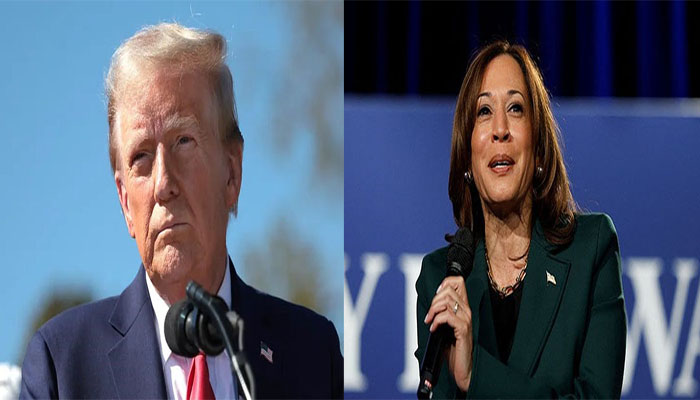
As the 2025 tax debate looms over Washington, the next U.S. president will face the monumental task of addressing the expiring tax cuts from the 2017 Tax Cuts and Jobs Act.
The legislative milestone, a signature achievement of former President Donald Trump, is set to sunset at the end of the upcoming presidential term, and both major candidates have staked out differing priorities on how they would approach tax policy moving forward.
The two frontrunners, Vice President Kamala Harris and former President Trump, share one significant point of agreement: both believe in extending tax cuts for Americans earning under $400,000 per year. However, beyond this common ground, their approaches diverge sharply.
Trump has proposed an expansive agenda that seeks not only to extend the 2017 tax cuts across all income levels but also includes sweeping new policies such as eliminating taxes on tips and overtime income. His agenda also aims to lower corporate taxes and expand benefits to large businesses, a move he argues would stimulate economic growth and job creation.
The Center for a Responsible Federal Budget (CRFB) estimates this comprehensive tax agenda could carry a price tag around $9 trillion over the coming decade, though the former president has yet to provide a detailed plan for funding these proposals.
Harris, in contrast, has expressed support for maintaining tax cuts only for households earning under $400,000 and has focused on expanding tax credits, including the child tax credit and the earned income tax credit. These measures would aim to offer more direct financial support to middle- and low-income families, and are estimated to carry a cost of over $4 trillion. To offset these expenses, Harris’s approach includes tax increases on wealthier Americans, particularly targeting capital gains and corporate income.
The future tax debate is further complicated by the likelihood of divided government. As Charles Myers, chairman of Signum Global Advisors, suggests, either candidate is likely to face a Congress with at least one chamber controlled by the opposition, a scenario that would necessitate compromise.
Myers underscores the influence this will have on the feasibility of any tax policy, cautioning that ambitious agendas from either candidate may be scaled back significantly.
The economic implications of these policies are considerable. If Trump’s tax plan were fully enacted, it would mark a continuation of the pro-business ethos of the 2017 tax law, which cut the corporate tax rate to 21% from 35%, spurring a wave of stock buybacks and increased business investments. Proponents argue that extending these benefits across the board could drive GDP growth by reducing tax burdens for both individuals and corporations. Critics, however, warn that such measures could balloon the national debt without clear revenue sources to support them.
Harris’s approach is focused more on income redistribution. By directing funds toward middle- and lower-income families, her policies would support consumption spending, which could provide a near-term economic boost. Yet, her approach also faces criticism for the potential impact on high-income taxpayers and businesses, as well as the possibility that higher corporate taxes could deter investments and job creation.
With both candidates’ plans carrying substantial financial commitments, the future tax policy debate will be influenced not only by election outcomes but by the broader economic landscape in 2025. Economic analysts highlight that the U.S. debt, now exceeding $33 trillion, leaves little room for unchecked spending without addressing revenue sources. Both Trump and Harris face the challenge of balancing ambitious tax policies with the realities of fiscal responsibility. As voters weigh these issues, the tax debate is expected to take center stage in campaign discussions, drawing attention to broader questions about economic growth, income inequality, and the role of government in shaping fiscal policy. Whether through cuts, credits, or new taxes, the tax plan of the next administration will shape America’s economic landscape well beyond 2025, affecting not only the federal budget but also millions of Americans’ financial futures.