World Bank extends GALOP in Ghana
Story: Abdulai SAAKA,Accra
The World Bank has announced that the Ghana Accountability for Learning Outcomes Project (GALOP), a multi-million dollar education initiative that has been operational since 2019 will continue to 2025.
With the new target completion date set for 2025, GALOP has been aimed at scaling up targeted instruction to 10,000 primary schools across the country for the past five years. The project seeks to address Ghana’s pressing challenges related to out-of-school children and underperforming schools, particularly in rural areas. The extension will allow for deeper interventions that enhance school enrollment, improve learning outcomes, and bolster local capacity for school maintenance and oversight in underserved communities. Since its inception, GALOP has positively impacted thousands of schools across Ghana, particularly in regions facing acute educational challenges.
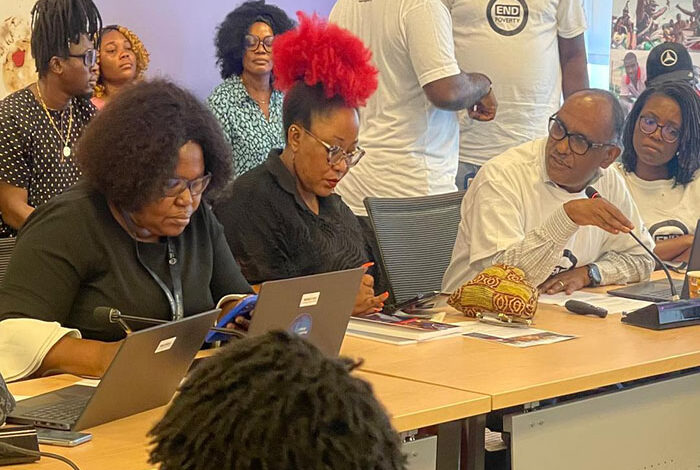
With a cumulative investment of $218.7 million, GALOP targets the lowest-performing 10,000 schools, especially those located in marginalized and rural areas, where poverty and lack of infrastructure often prevent children from accessing consistent, quality education. Eunice Ackwerh, the acting World Bank Ghana Country Manager, outlined the program’s ongoing objectives at the End Poverty Day celebration in Accra. Despite significant efforts by the government and the program’s initial success, Ackwerh emphasized that approximately 1.2 million Ghanaian children between the ages of 4 and 17 remain out of school.
“In order to reach these children and keep them in school, there are so many factors outside the traditional education system that need addressing,” Ackwerh noted. Key among these factors are improved community engagement, adequate resources, and safe infrastructure that can help remove obstacles to schooling. GALOP offers targeted grants to empower local stakeholders and communities to directly improve their schools. This funding enables communities to handle minor repairs, maintain infrastructure, and support teaching staff, ensuring an environment conducive to learning and consistent attendance.
Since its inception, GALOP has taken a unique approach to community involvement. It not only provides resources but also trains local leaders and parents to take active roles in the educational process. In practice, this community-centered approach has meant that school maintenance, oversight, and operational support are increasingly managed by the communities themselves
Social factors that affect regular attendance, such as safety concerns and logistical barriers, are also key elements that GALOP has addressed. Many rural children have had to travel great distances on foot to reach schools that often lack sufficient facilities or teaching staff. The World Bank’s initiative aims to mitigate these challenges by making travel safer, supporting attendance incentives, and encouraging community-based transport solutions in remote areas.
Complementing GALOP, the World Bank $150 million transport project, is also set to be completed by 2025. This project is strategically targeted at certain rural areas in order to make those areas more accessible and boost their economic opportunities.